This Spring I travelled to Newlyn School of Art to take part in Anita Reynolds’ new Landscape to Print course. Although we were out and about in West Penwith the North West Highands were not far from my mind.
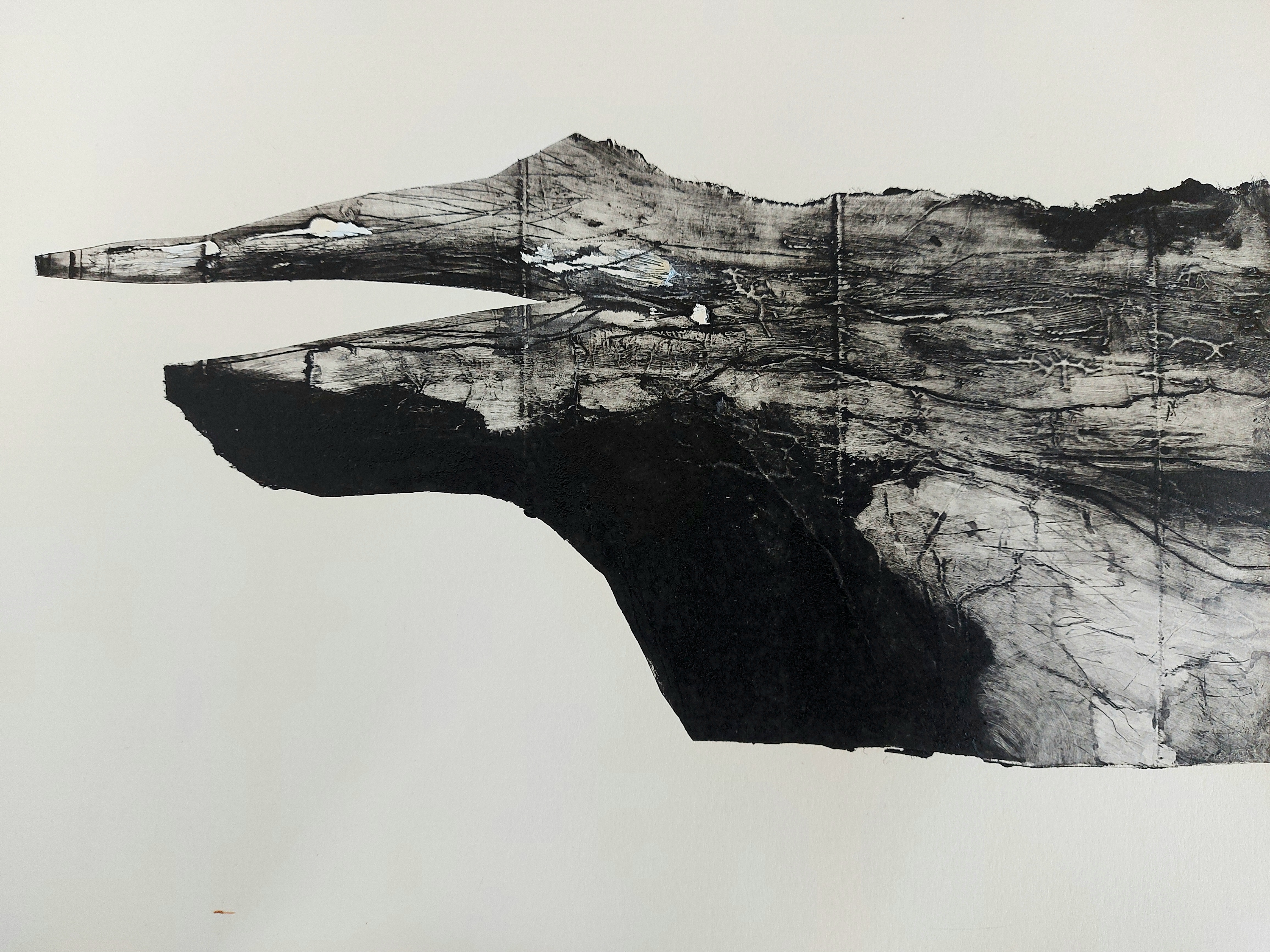
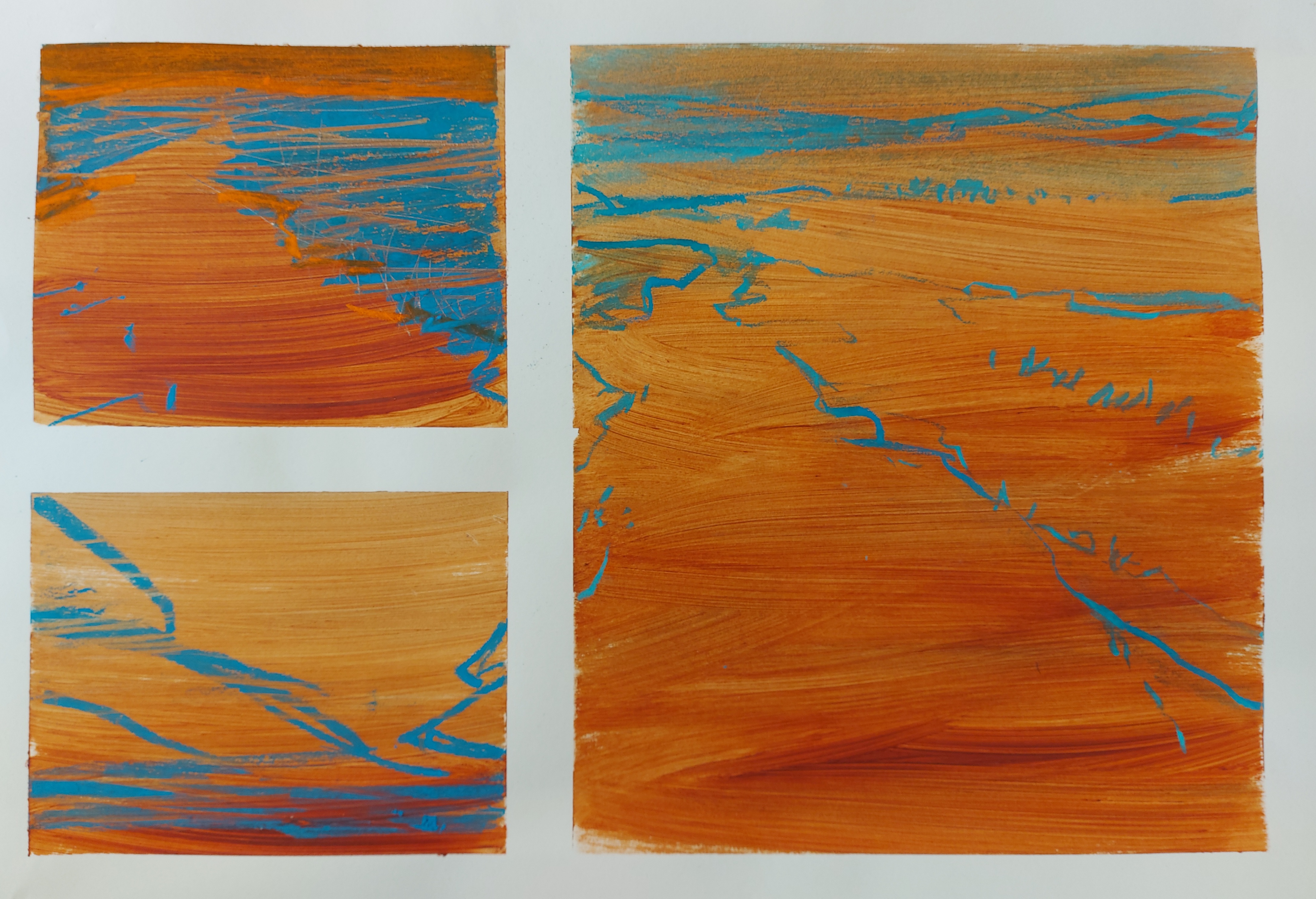
We worked on trace monotypes and layered gelli prints, and collagraph plates for printing with a press.
It was an intensive refresh of the potential of each process; from translating sketches and planning plates, experimenting with textures and composition, values, and approaches to mixing colour combinations.
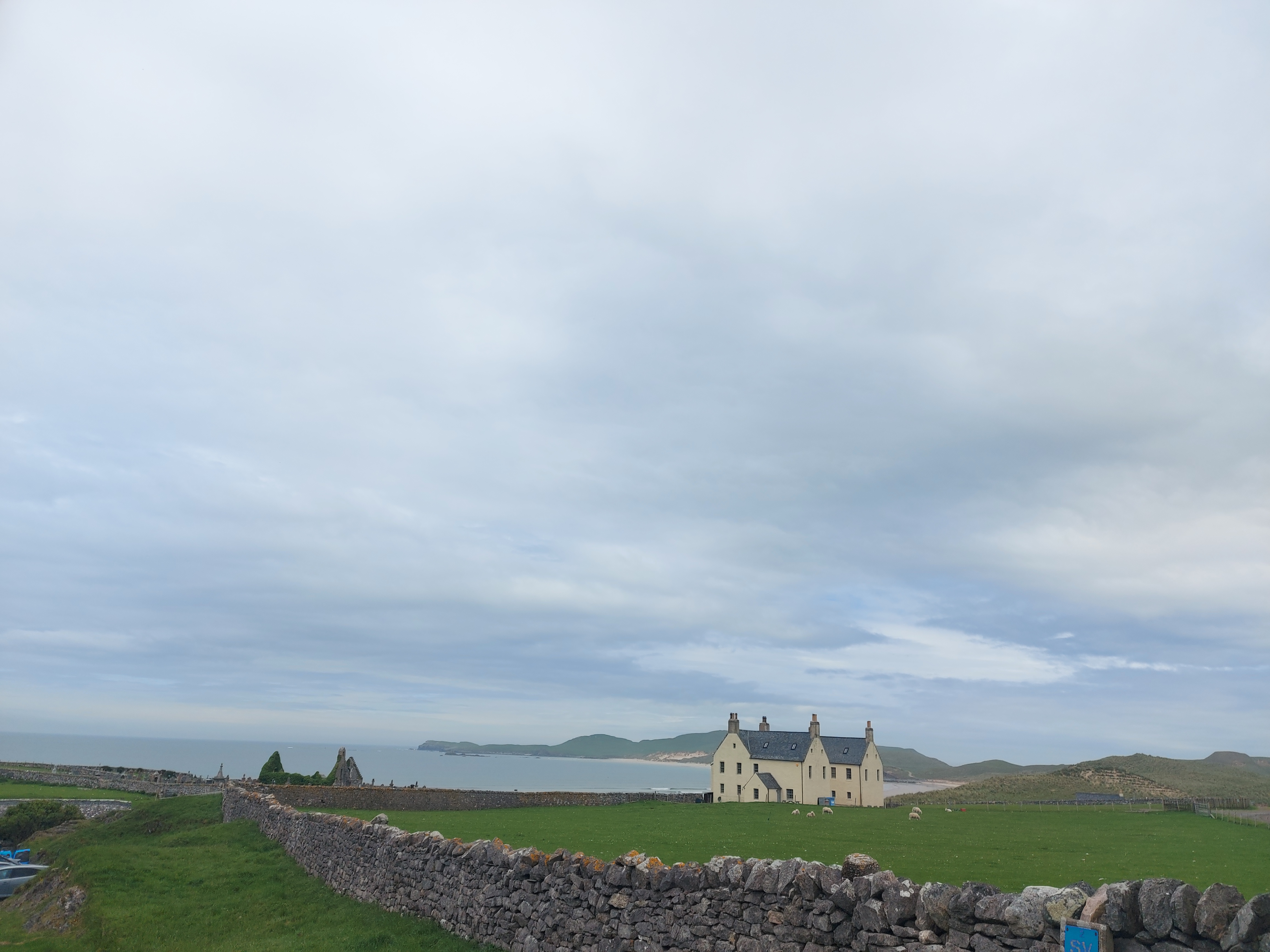
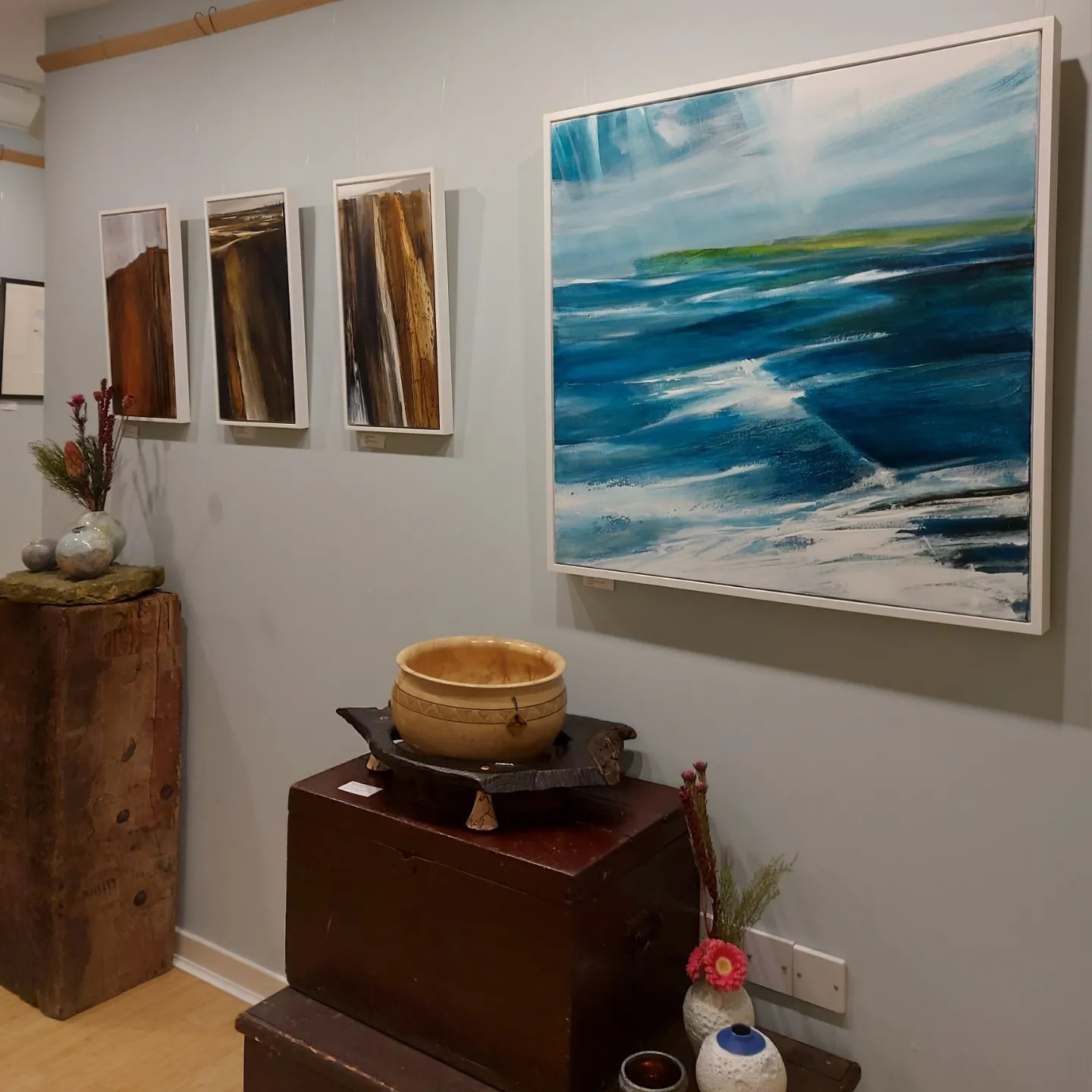
Now back to the north of Scotland and the contrasting horizon lines of Sutherland and Orkney; pink rock and black cracked cliffs, yellow gorse and green bracken. Time to mix some colour.
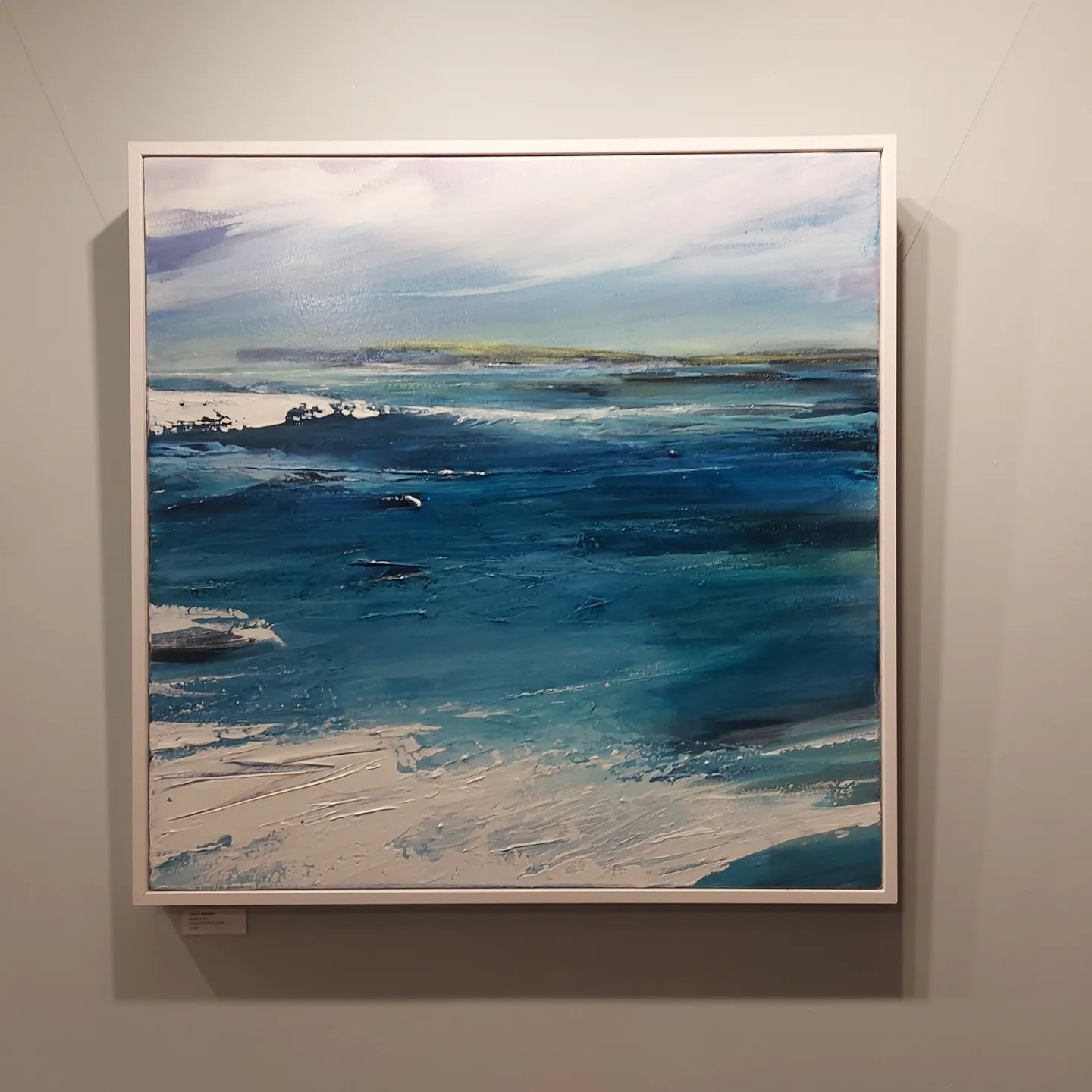
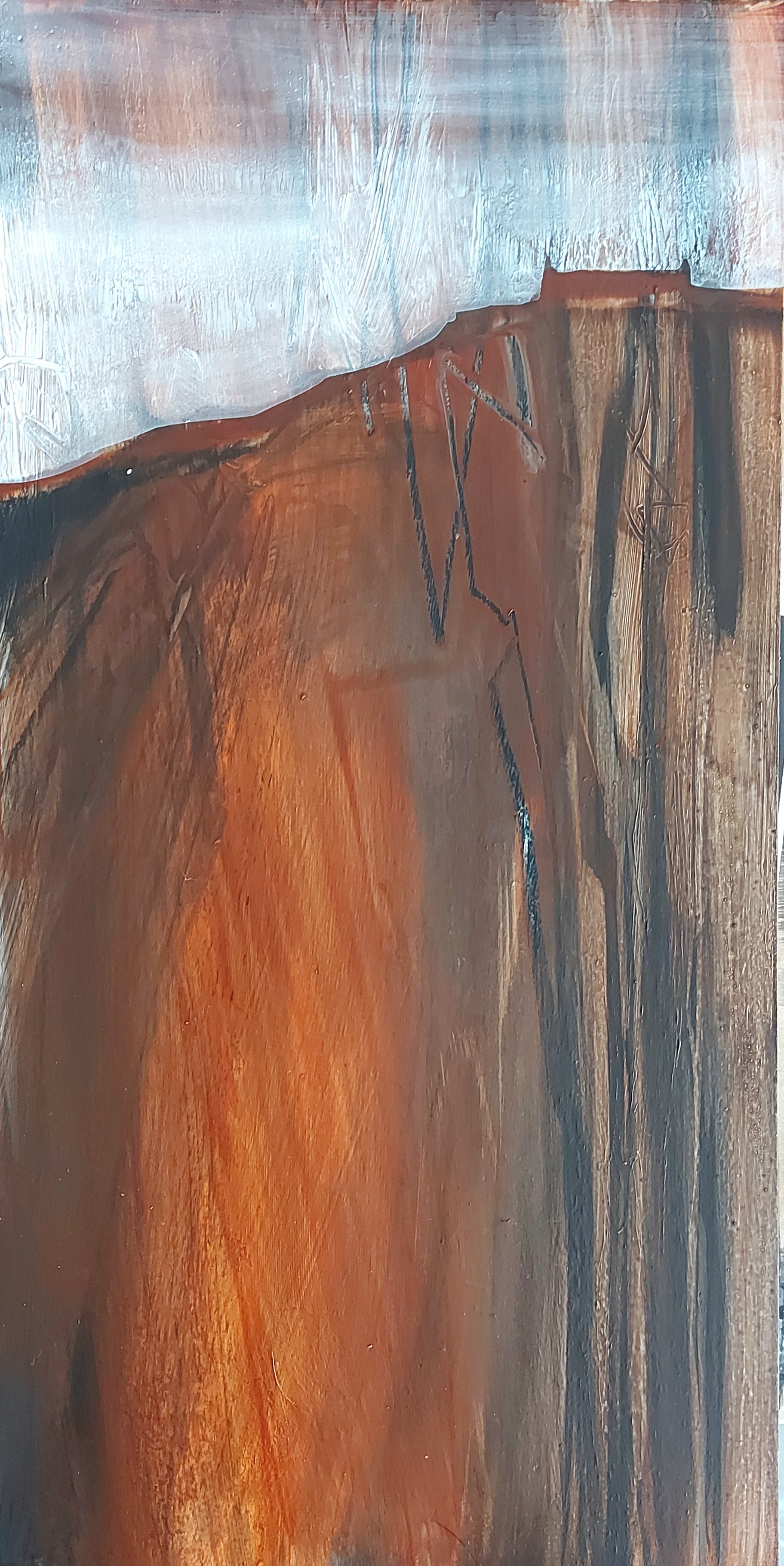
Rather than representing any specific viewpoint, I gather together the impactful elements of the landscape as I remember experiencing them. Gradually the themes, colours and shapes emerge: pinks of rock and sand; russet and green bracken; the shape of erratics on the horizon line .
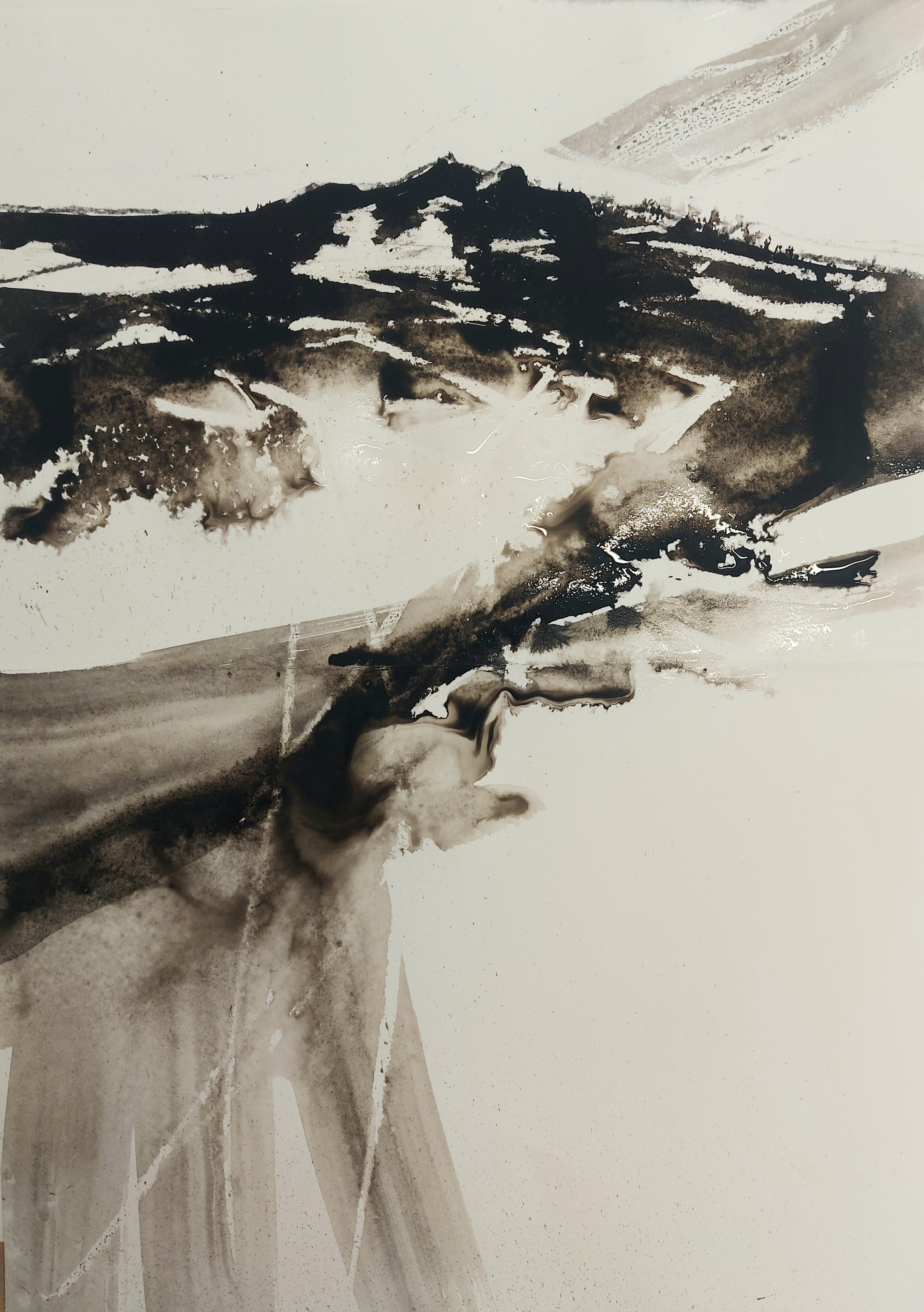
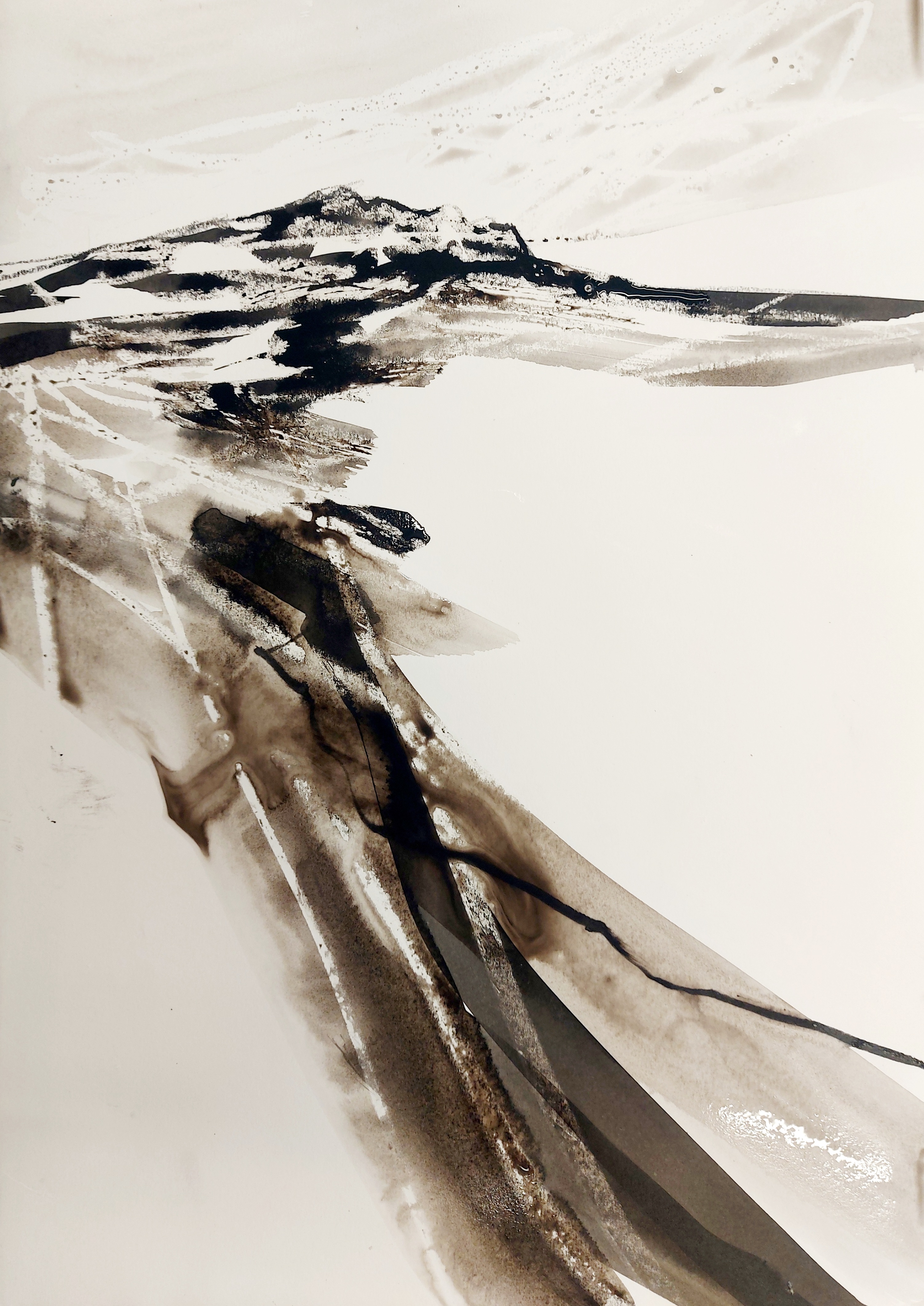
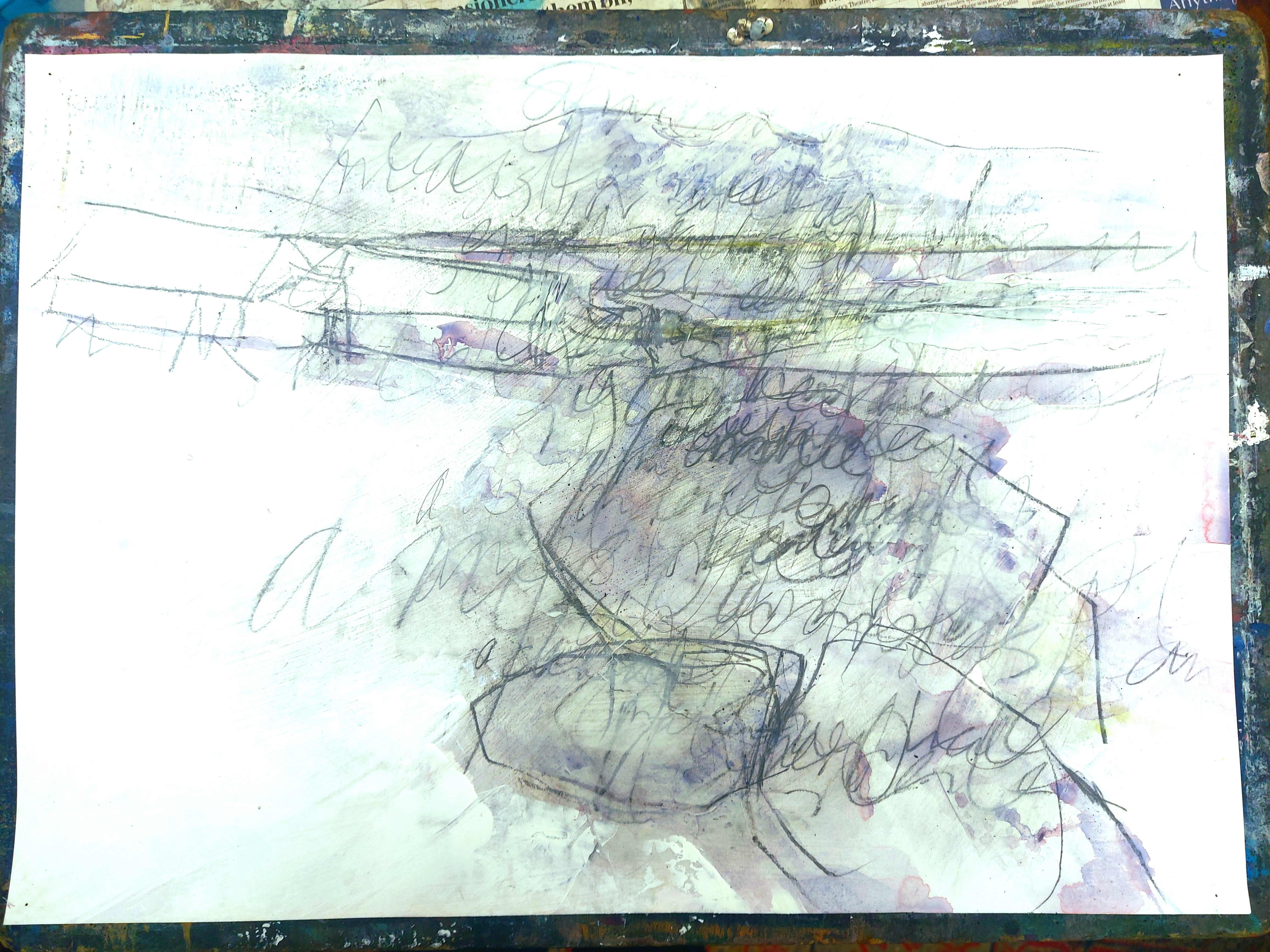
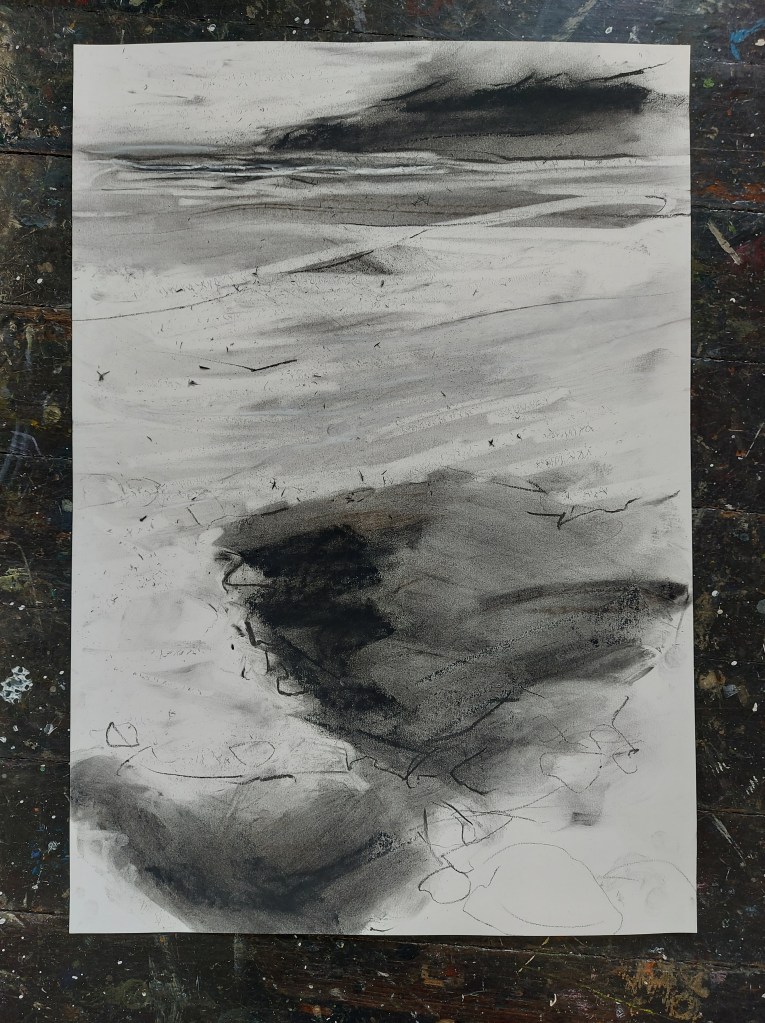
Using sketchbooks and paper, and working through many iterations of mark making, colour mixing, layering and combining materials, gradually a process for this specific landscape begins to build. Like a language, the marks and movements, colours shapes and space hold the memory of being there.
The first sketches I make back in the studio are from memory – the slope of the hill or mass of the mountain and horizon line.
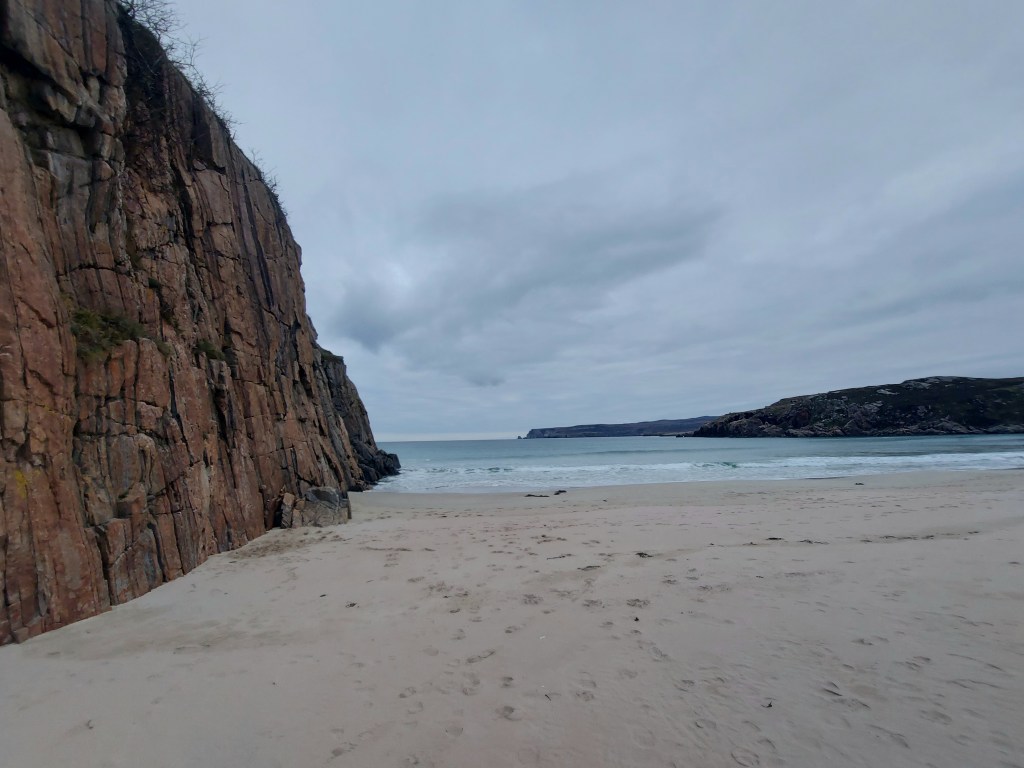
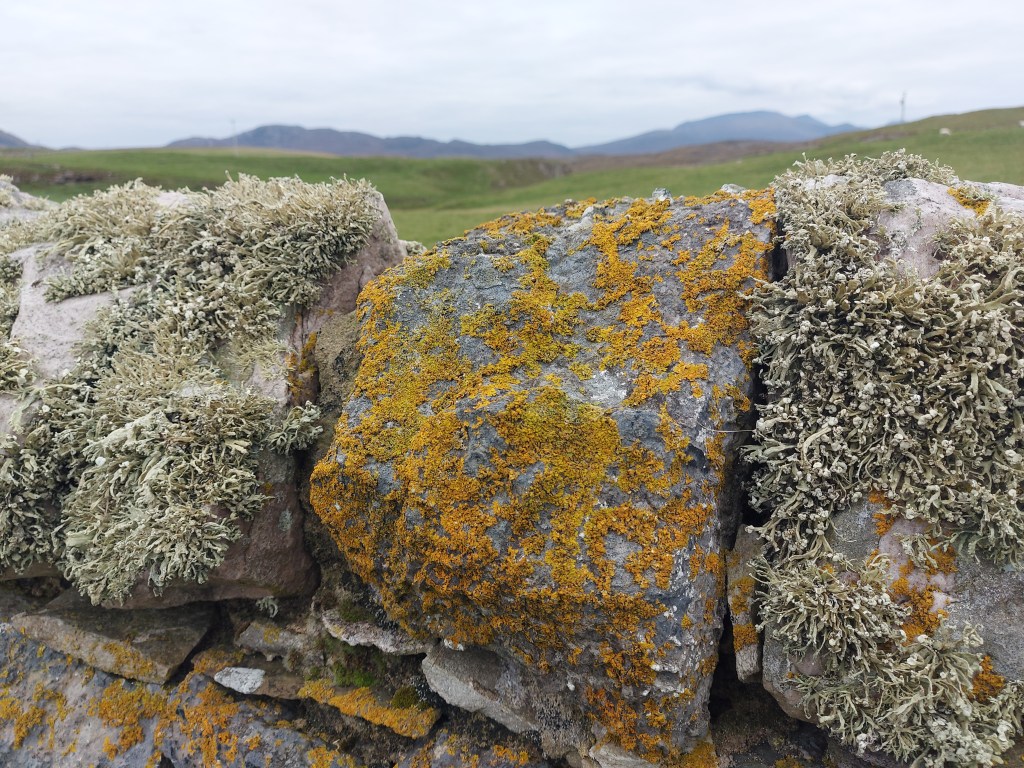
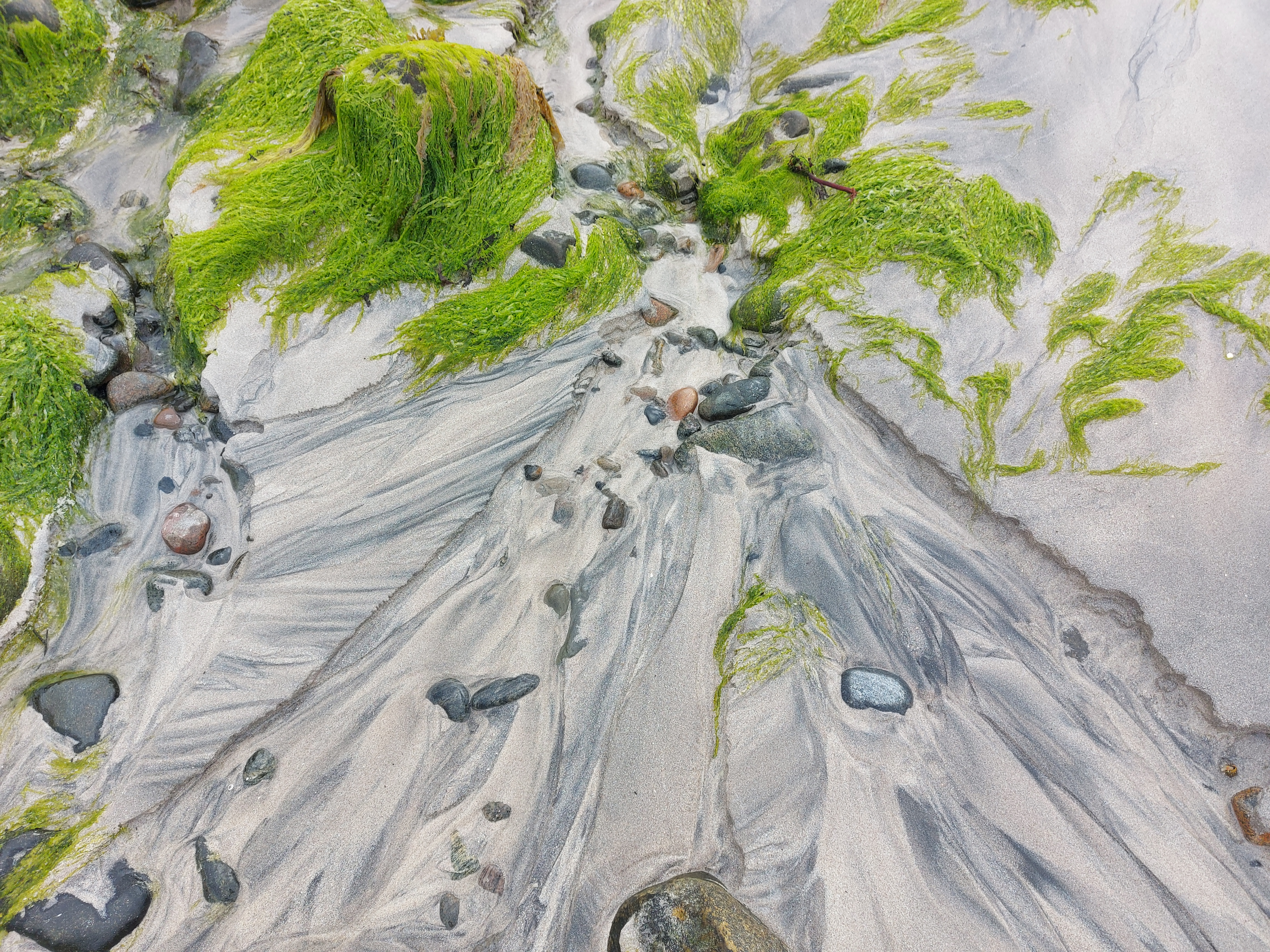
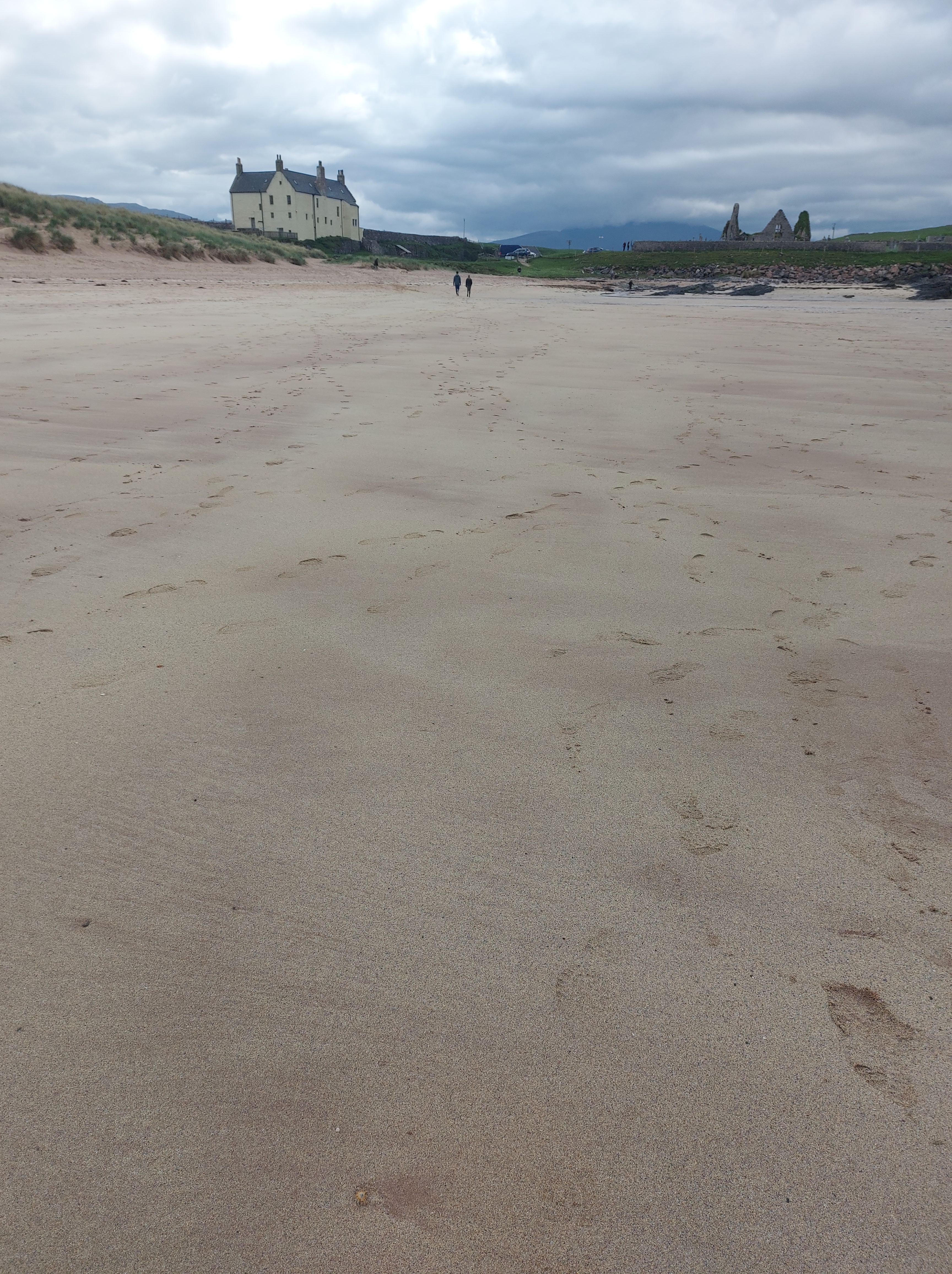
In Sutherland I spend most of my time absorbing the place rather than sketching, noting the things that have the most impact – the rugged mass of Ben Loyal heading west, the pink and grey striations of cliffs at Ceannabeinne , erratics and horizon lines, the colour of the sand and the way the rocks erode. Collected grit, pebbles, peat sand and water will later work their way into work in the studio. Grass, twigs leaves and botanical elements are collected for colour and shape.
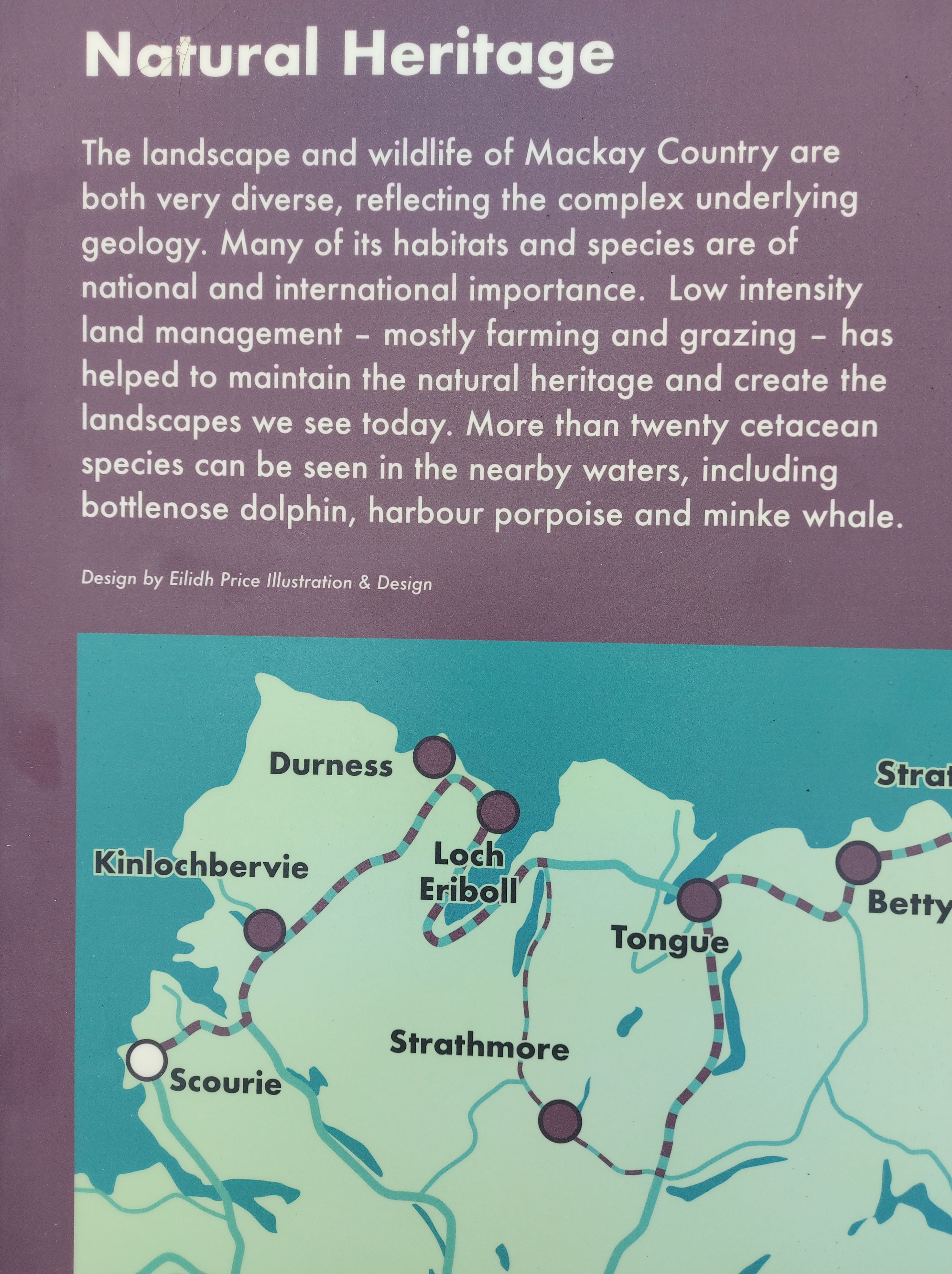
Currently I am working on a long term project about Mackay Country or Dùthaich Mhic Aoidh – a geographical area in the North West of Scotland which had its own distinct dialect of Gaelic. By contrast to Orkney it is a dramatic land of Flow country and mountains, rock, lochs, rivers and sea.
Within sight of Orkney across the Pentland Firth, the shared Norse heritage between Mackay Country and Orkney means there are related place-names such as Durness (Sutherland) and Derness ( the Orkney pronunciation of Deerness).
It is likely that Norse folk would sail south from Orkney to Strathnaver where they kept horses. From there they could continue their journeys overland on horseback. Later Orkneymen may have come to Strathnaver to acquire horses (The Clearance village of Rosal in Strathnaver may be named for ON hross-vollr – ‘horse field’).
On my own journeys south through Mackay Country I stop at brochs and crumbling burial tombs, clearance villages and graveyards that link us to the ancestors. All but a fraction of their stories and songs are unknown to us, but we can still share the mountains with them. In terms of deep geological time we all apprehend them almost simultaneously.
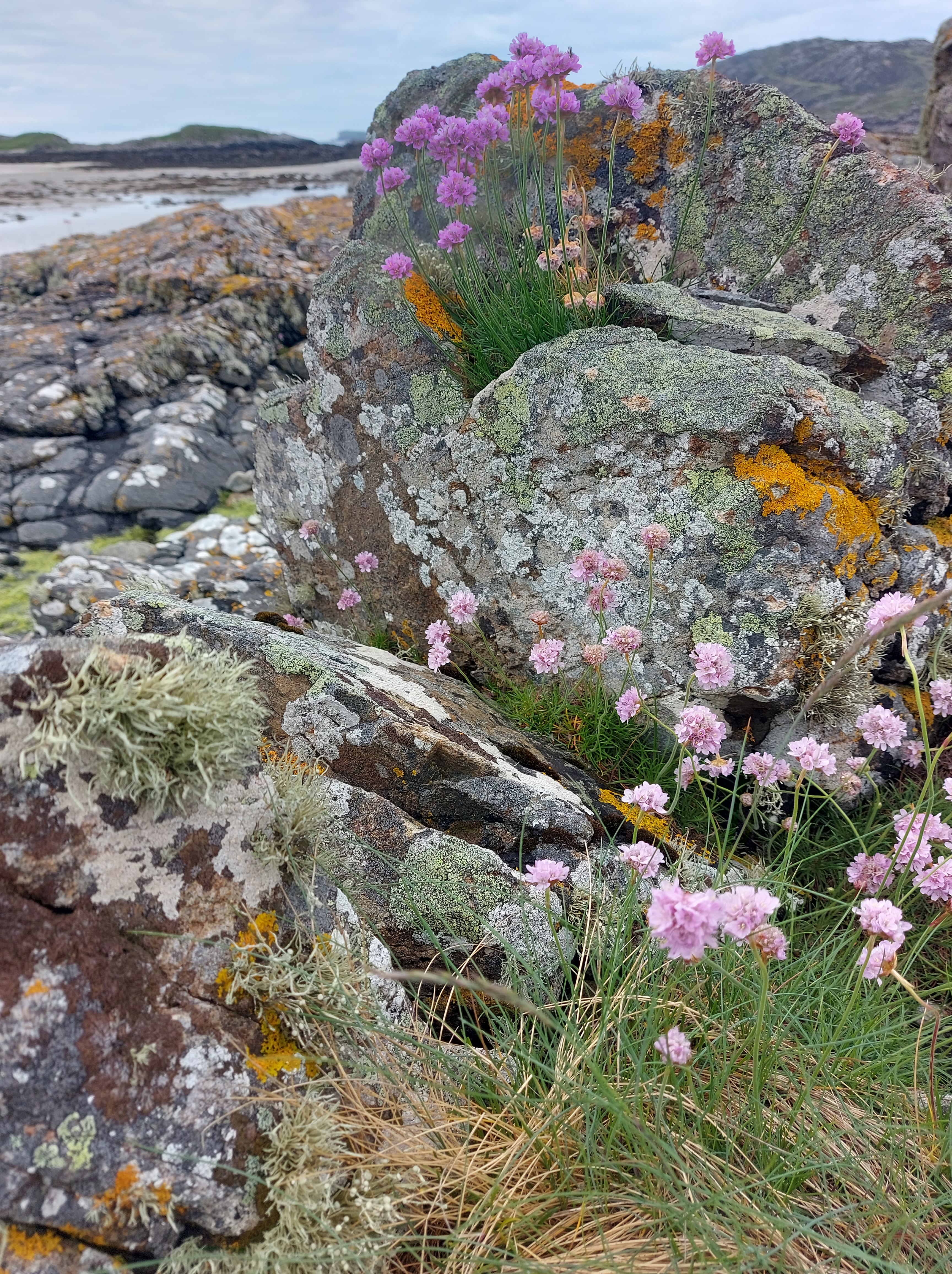
The texture of the mica on the shore; the shape of the erratic boulder balanced on the mountain slope; the pink of the quartzite; the green curl of new bracken; the shade of the hazel trees; dazzling yellow gorse; the sound of water falling; persist and link us. These colours, textures, sounds and sensations are themes within this project.
By using the title ‘Cianalas‘ I mean to acknowledge the Gaelic language my ancestors used and show respect to the present day Gaelic speaking community, and share the sense of ‘belonging/ not belonging’ I recognise when passing the Mackay Country markers.
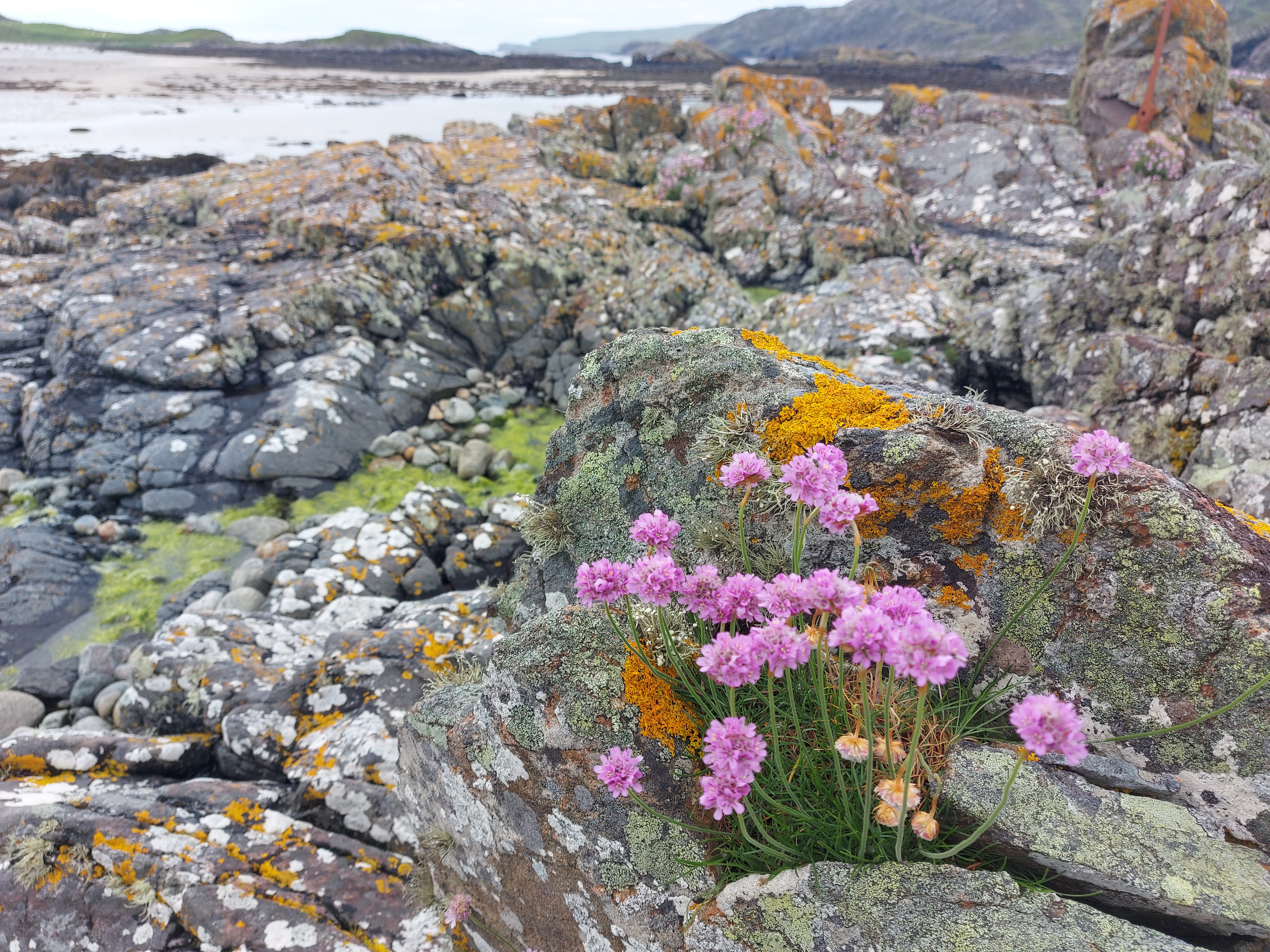
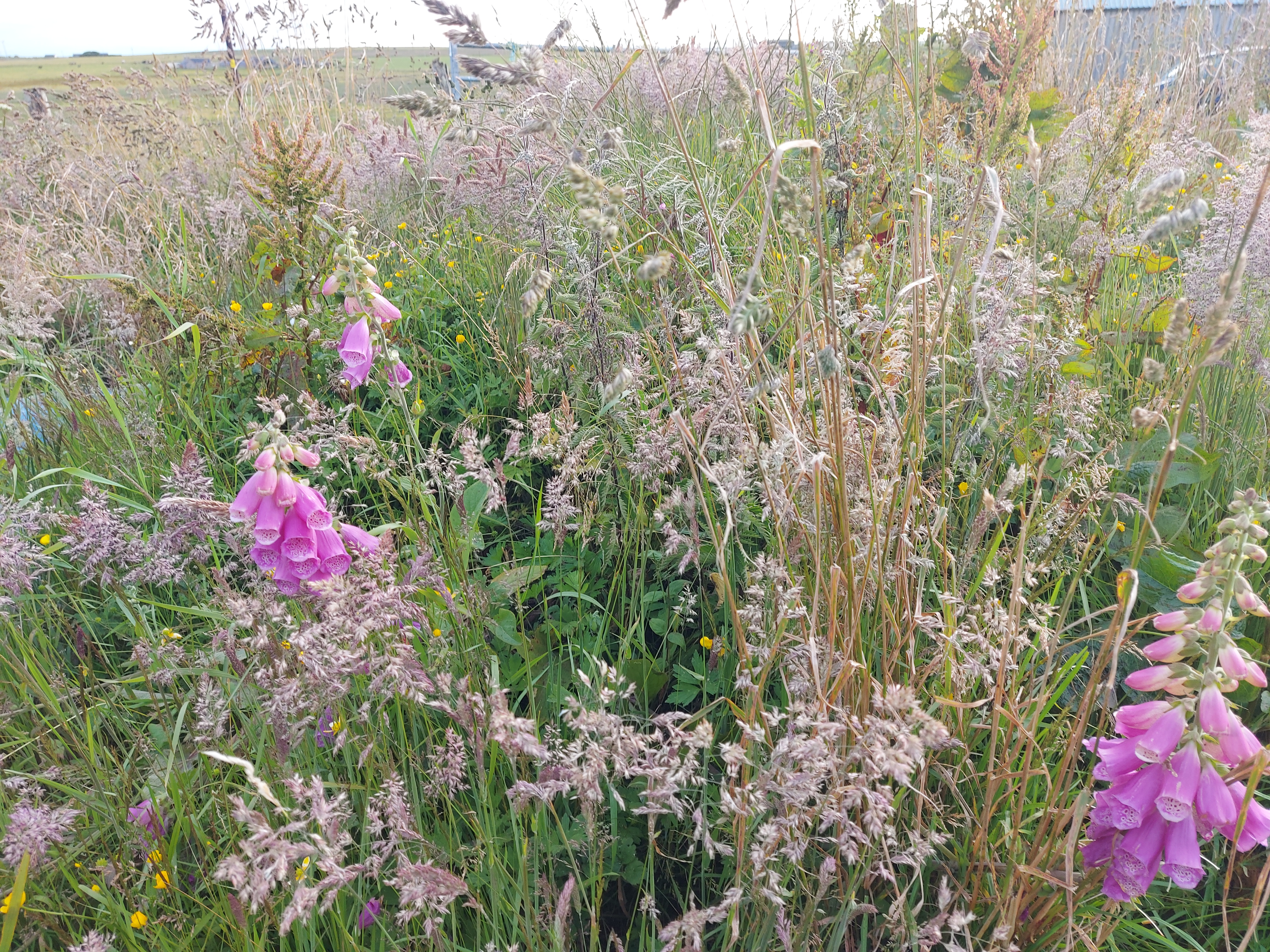
This summer has been a botanical treat in the Orkney countryside verges, pastures and maritime heaths. Wildflowers have flourished in great swathes of yellow, cream and pink.
It is a great time of year to change process, palette and perspective by focusing on flooers. A break from the big seascapes on canvas I have moved to monoprinting on paper, creating collaged layers in a tiny 10 x 10 cm area. Design and value differences are easier to see but inevitably I can spend as long on these littles as I do on their slightly bigger cousins, adjusting, editing, letting rest, checking with fresh eyes and often ultimately discarding. Those that survive the process are heading off to the Ship of Fools Gallery in Kirkwall.
My first journey across the Firth this summer roughly took the route of my family history – folk cleared from the North West of Sutherland who found a place to make a new life in Strathcarron.
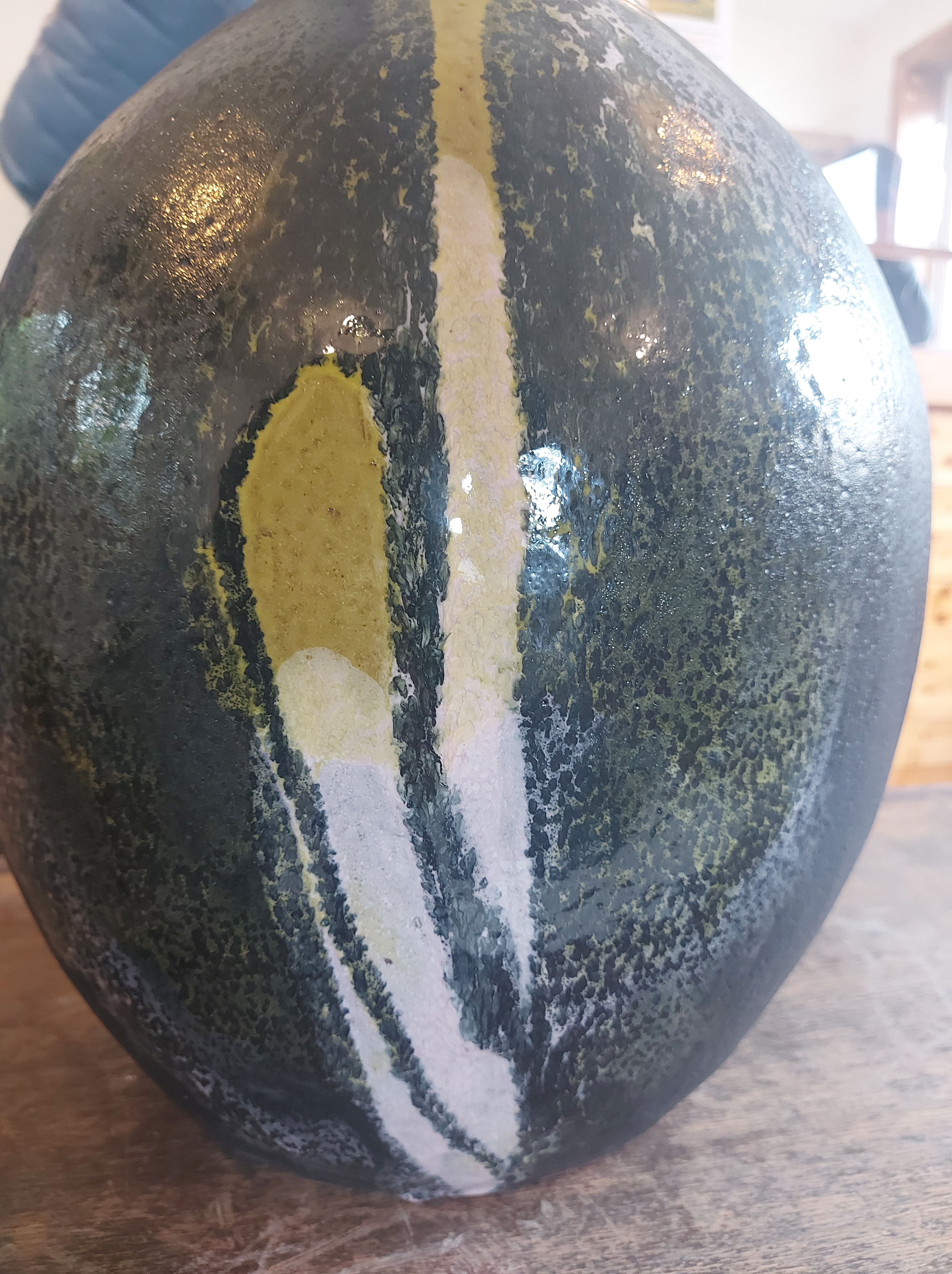
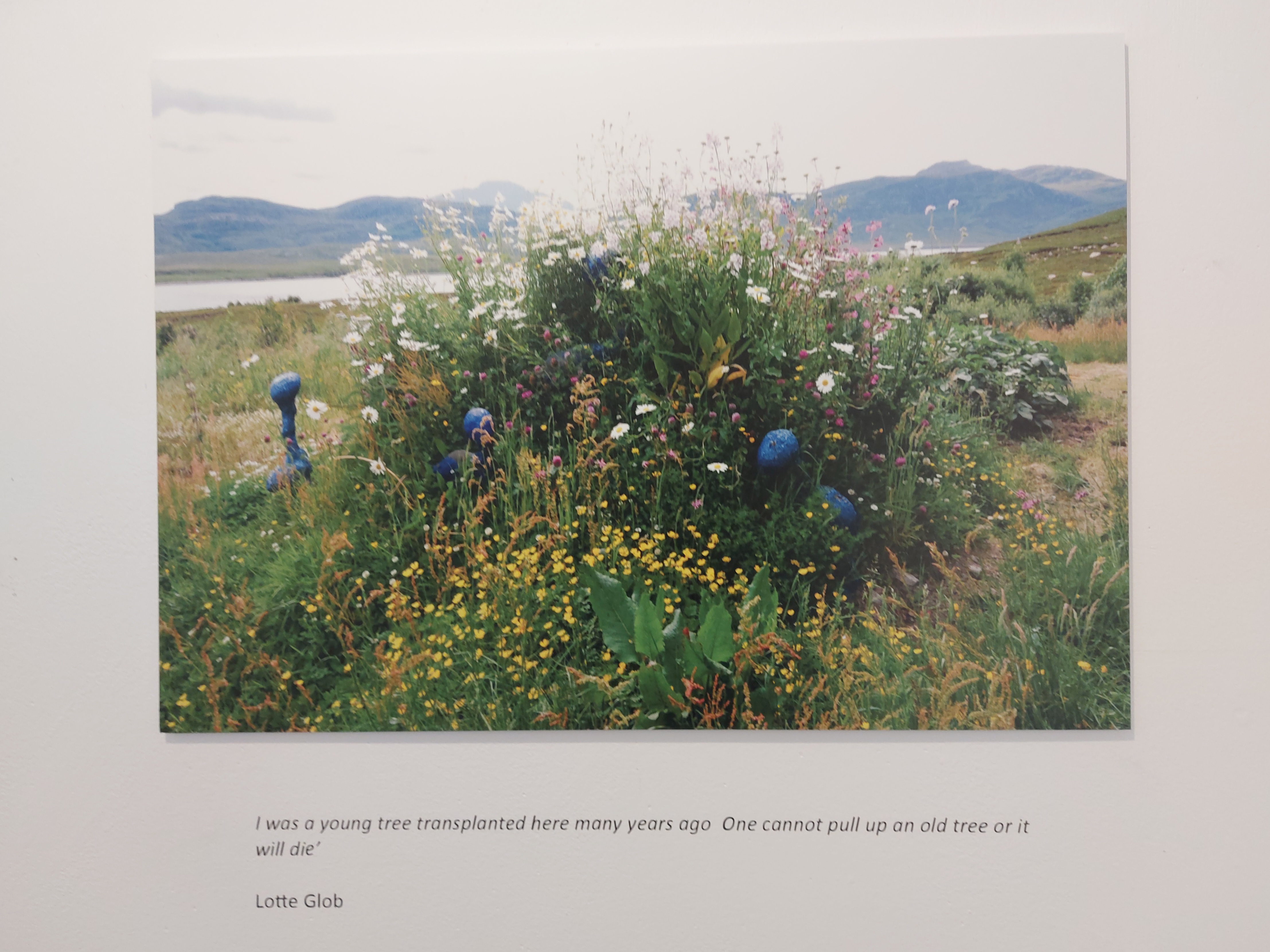
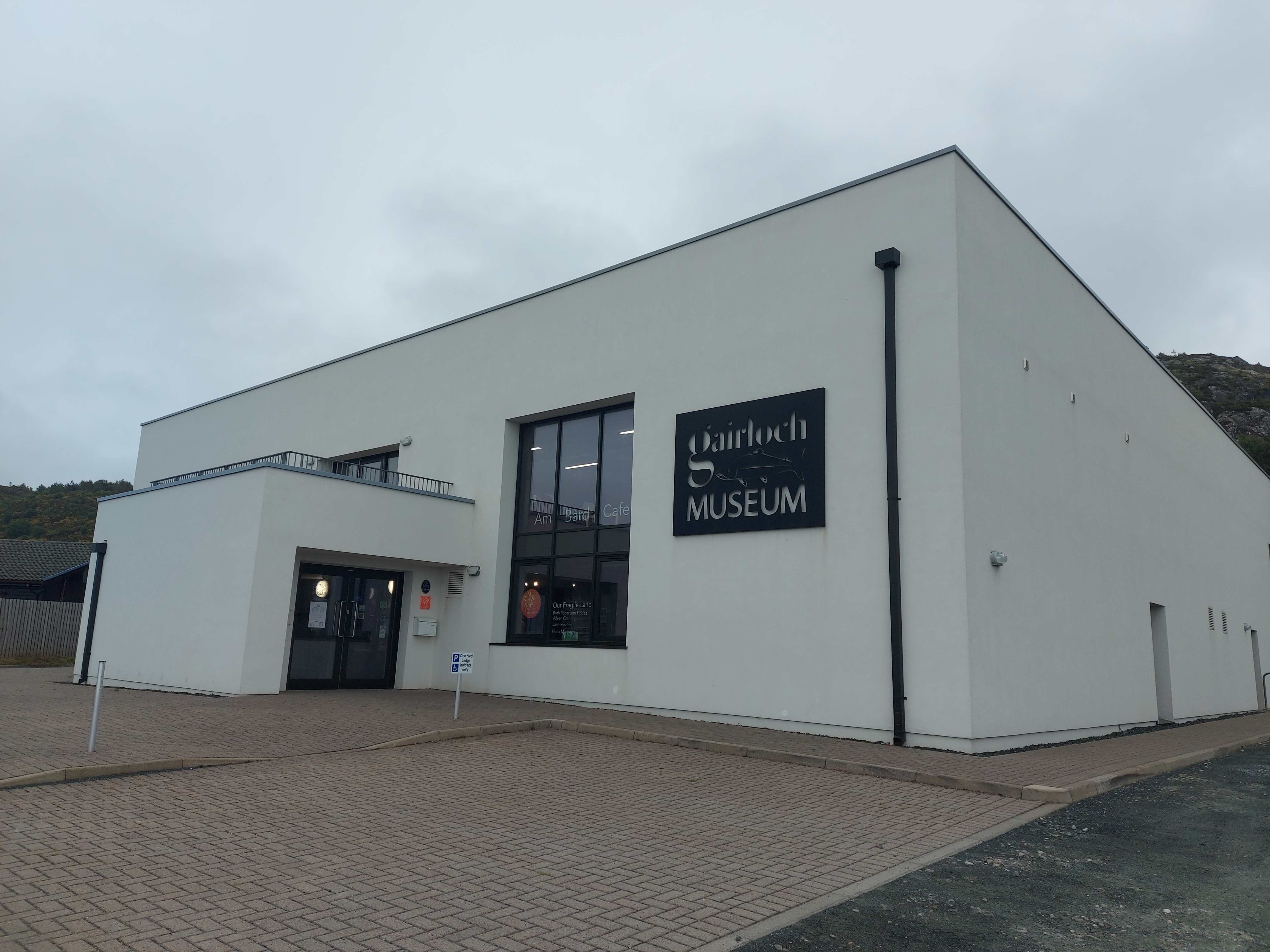
This summer’s trip took in a visit to Mudness Ceramics at Balnakeil to see Martina Macleod’s captivating ceramics and Lotte Glob’s exhibition at An Talla Solais in Ullapool, as well as a visit to Gairloch Museum to see the great gallery space and enjoy the geology and social history exhibits. On to Loch Kishorn and a nod to the ancestors on the way home via Strathnaver.
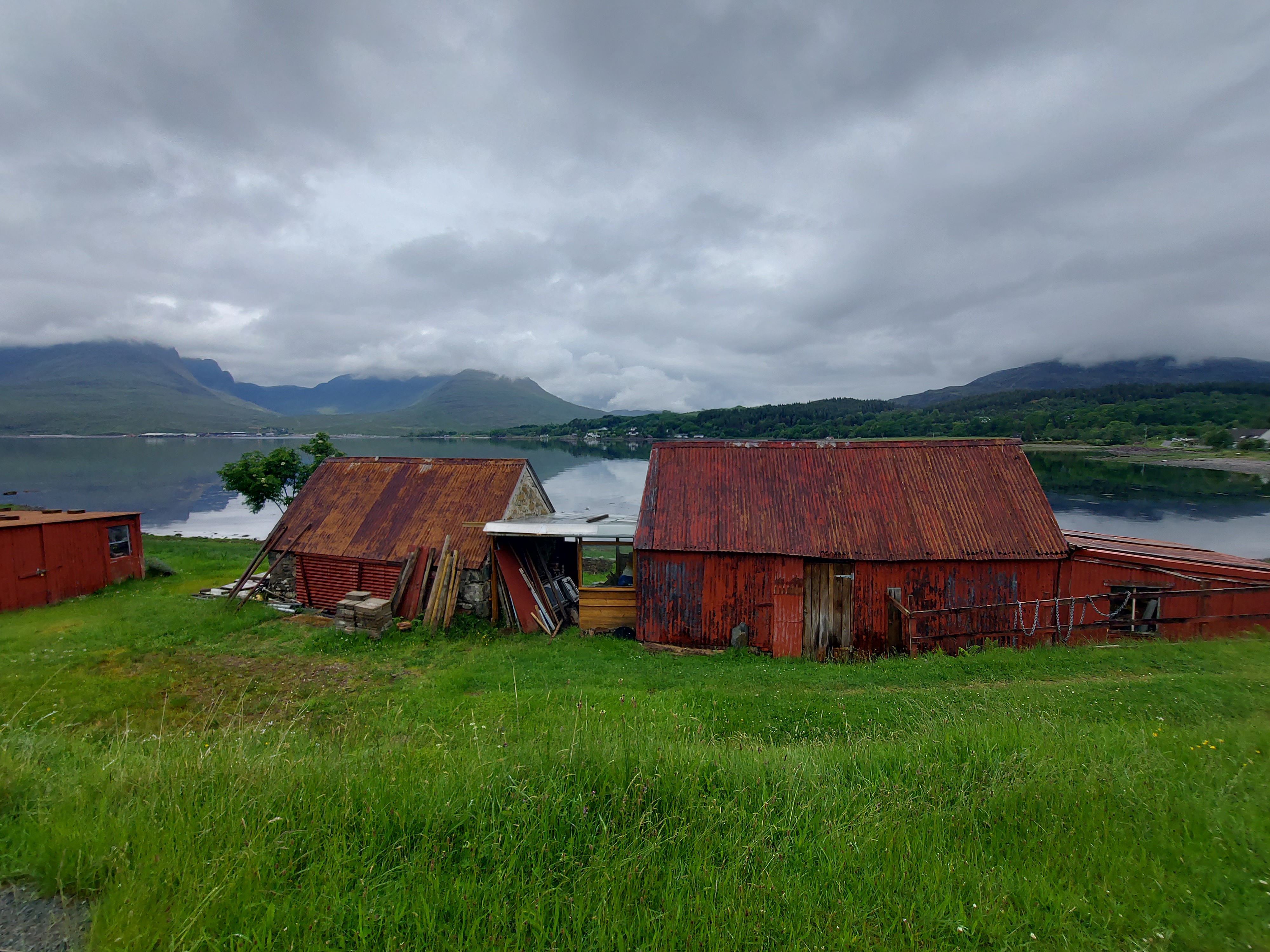
I flexed my intentions on Eleanor K White’s course at Achintraid which was a great opportunity to spend time in the shadow of the Applecross peninsula and swim with Skye on the western horizon, close to where my Mackay ancestors established the croft at Ardaneaskan.
As ever it was delightful to catch up with folk and feel connected to other painters and makers.
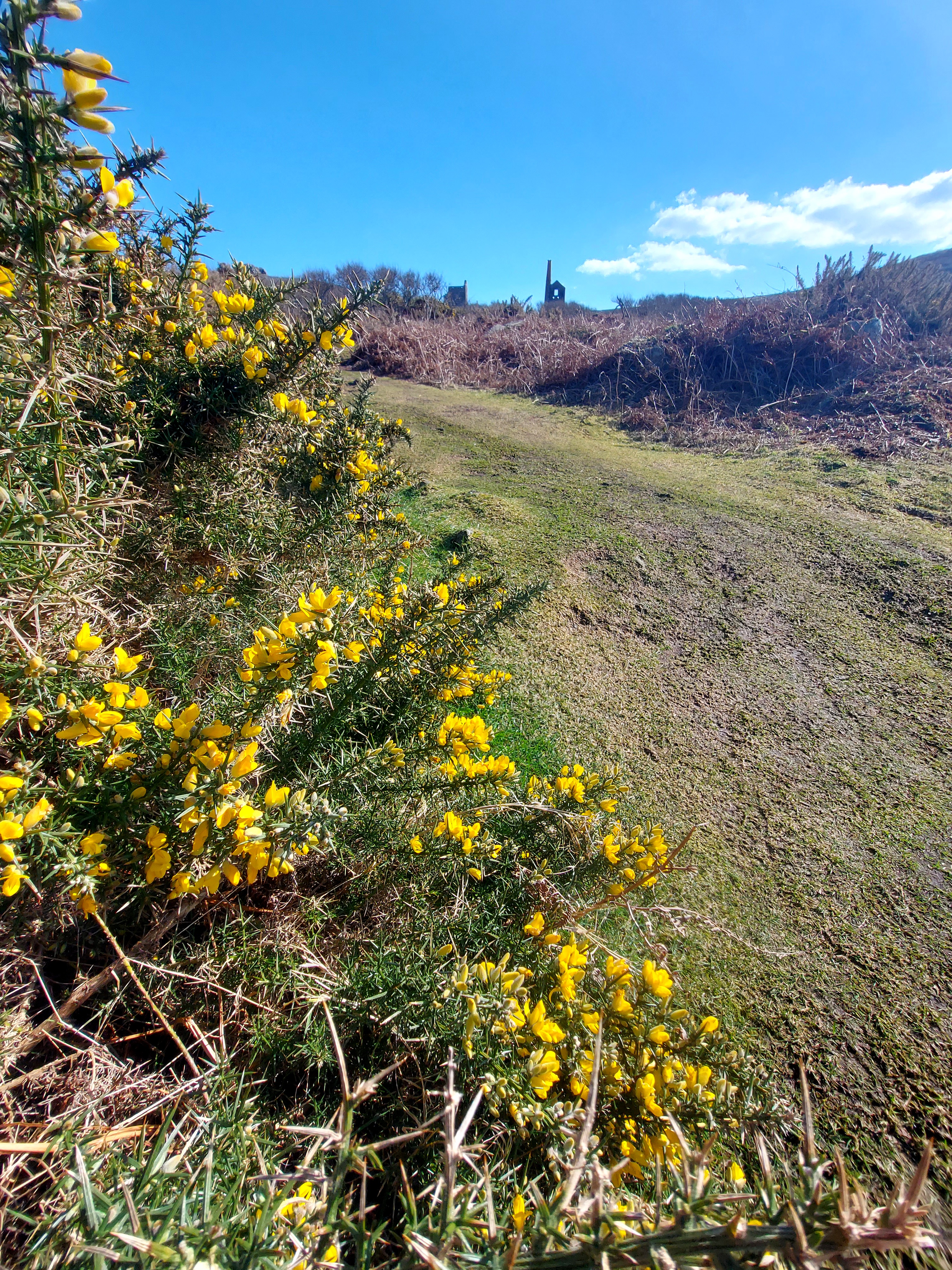
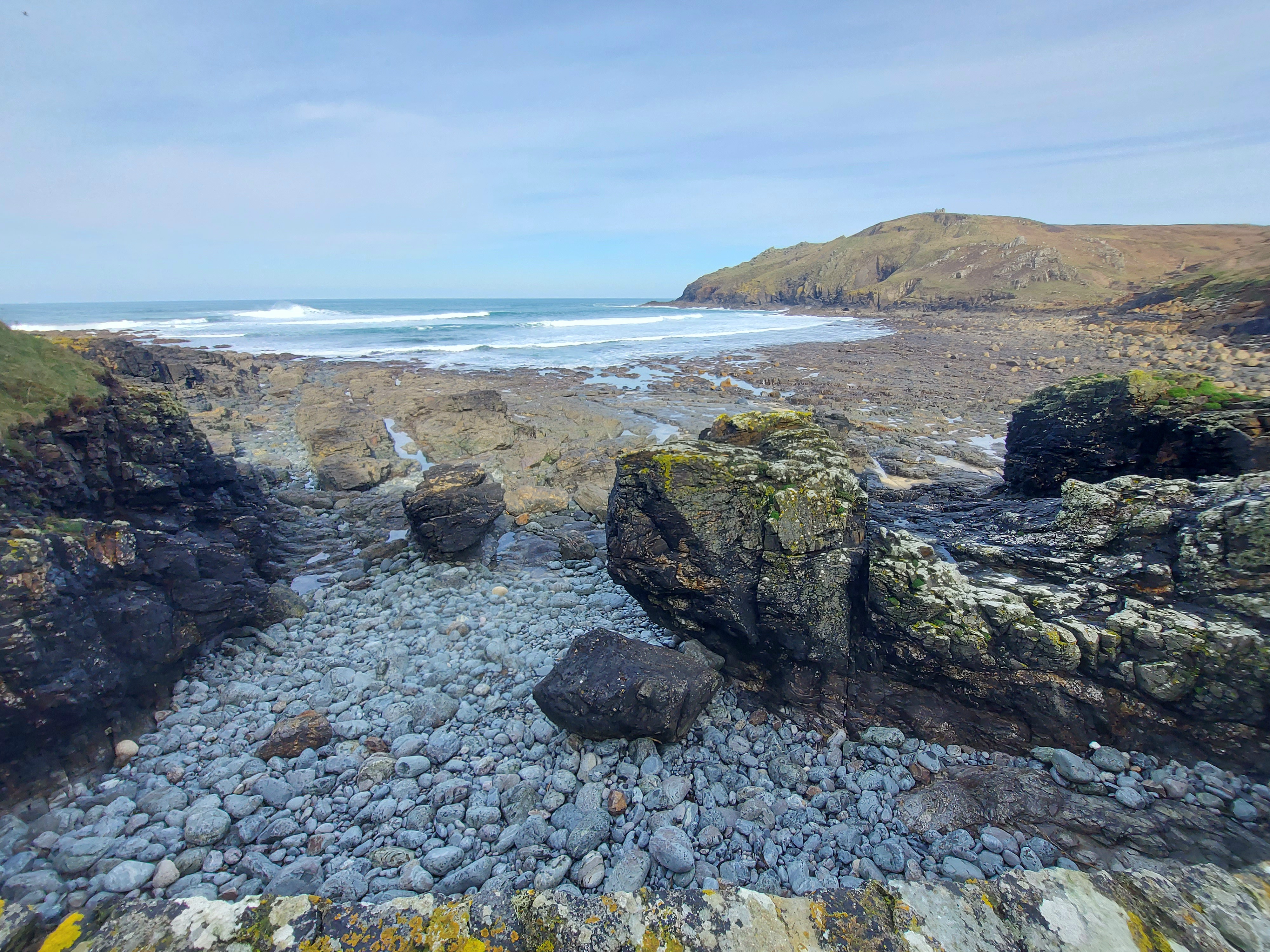
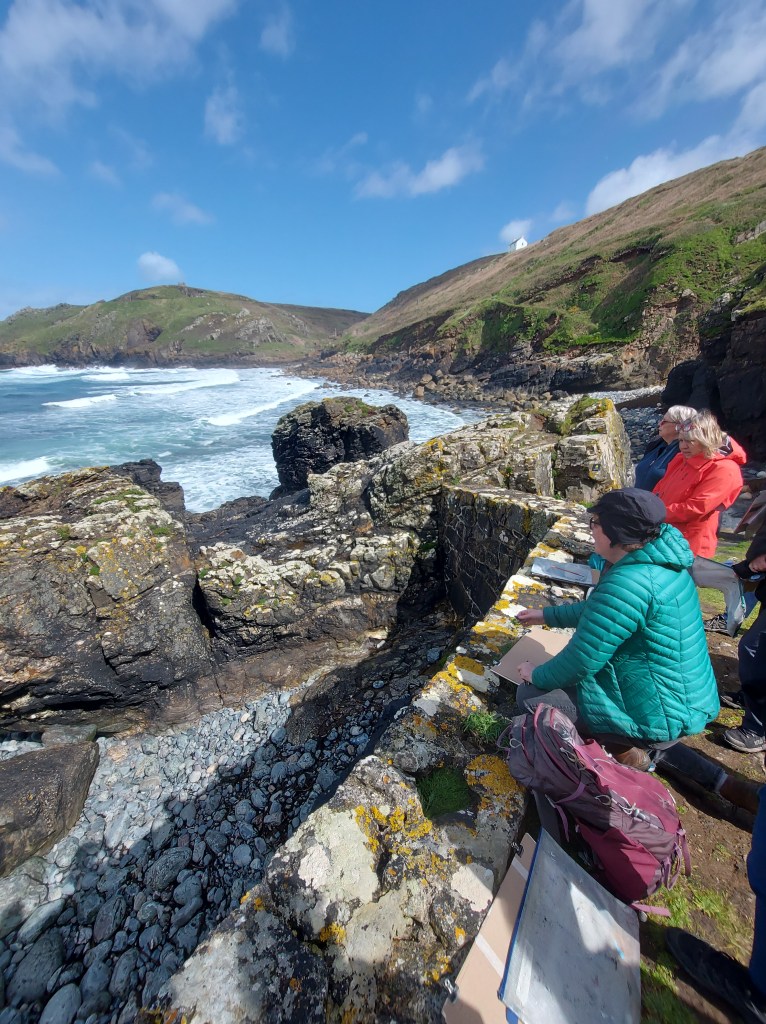
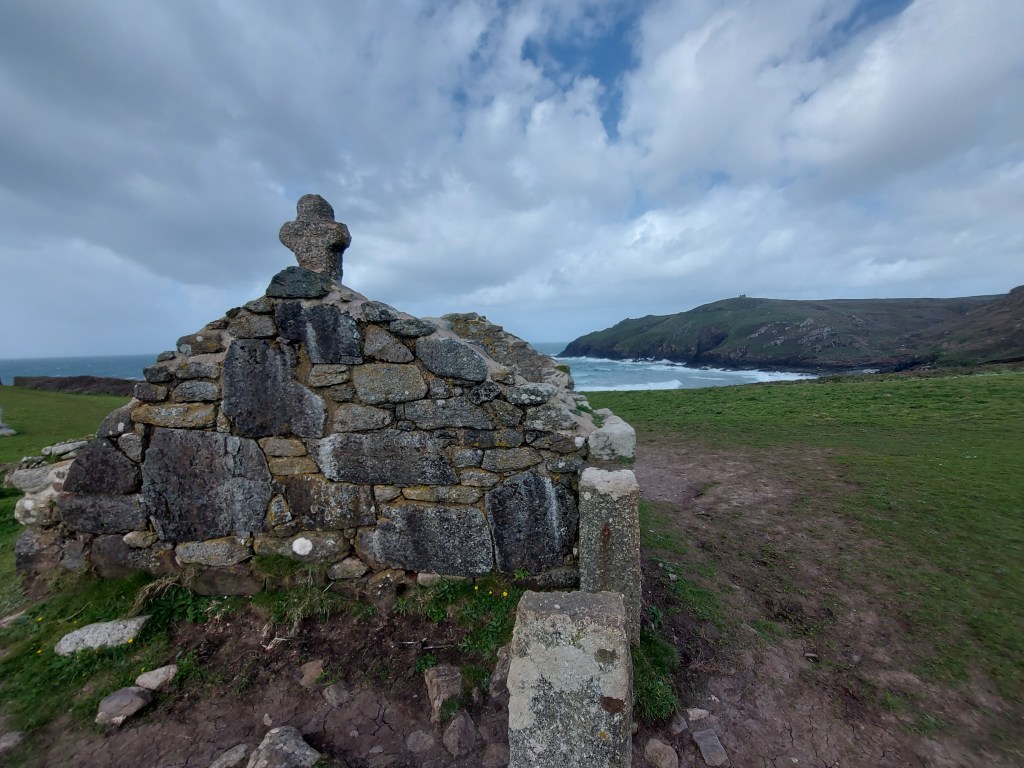
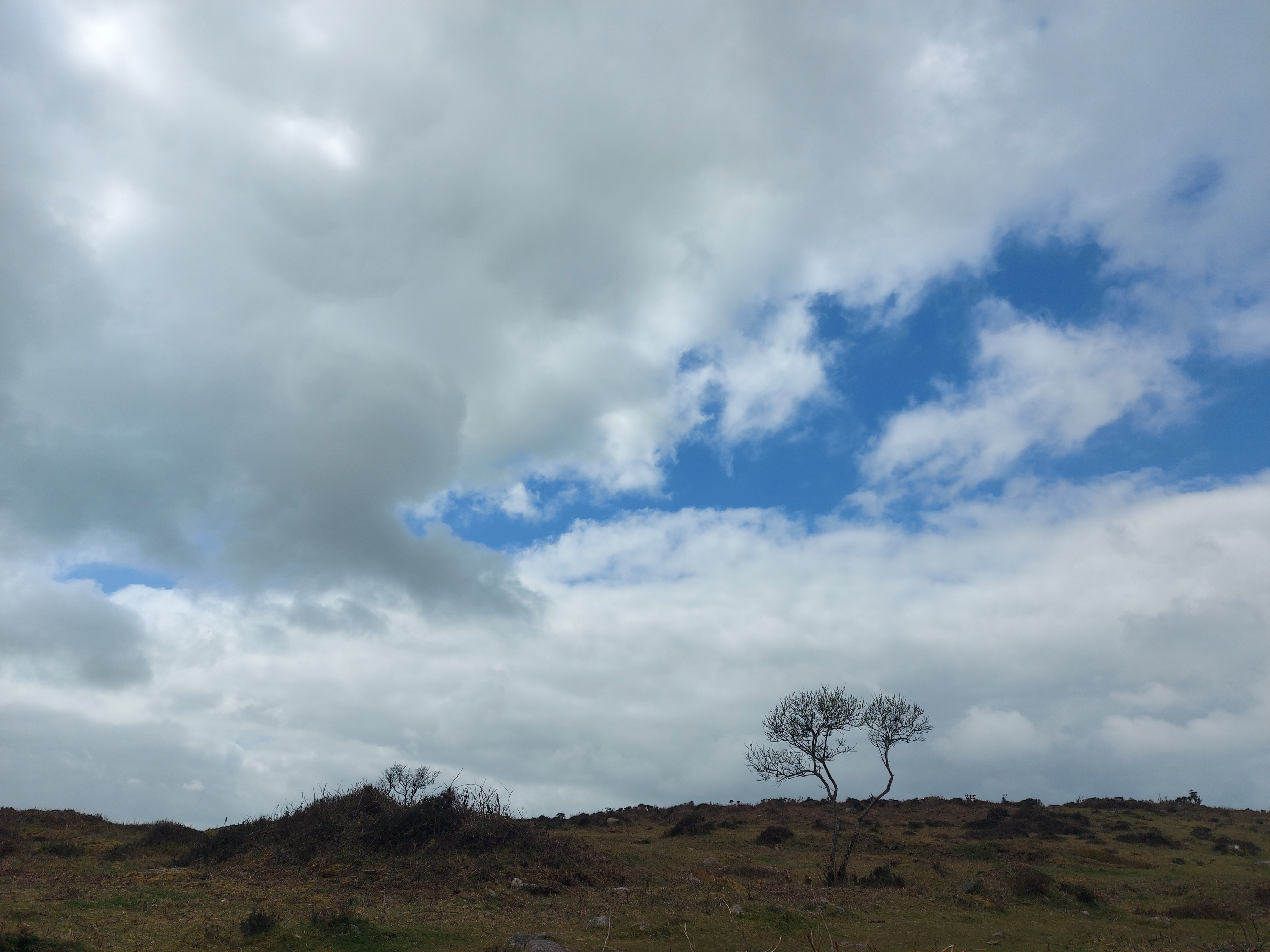
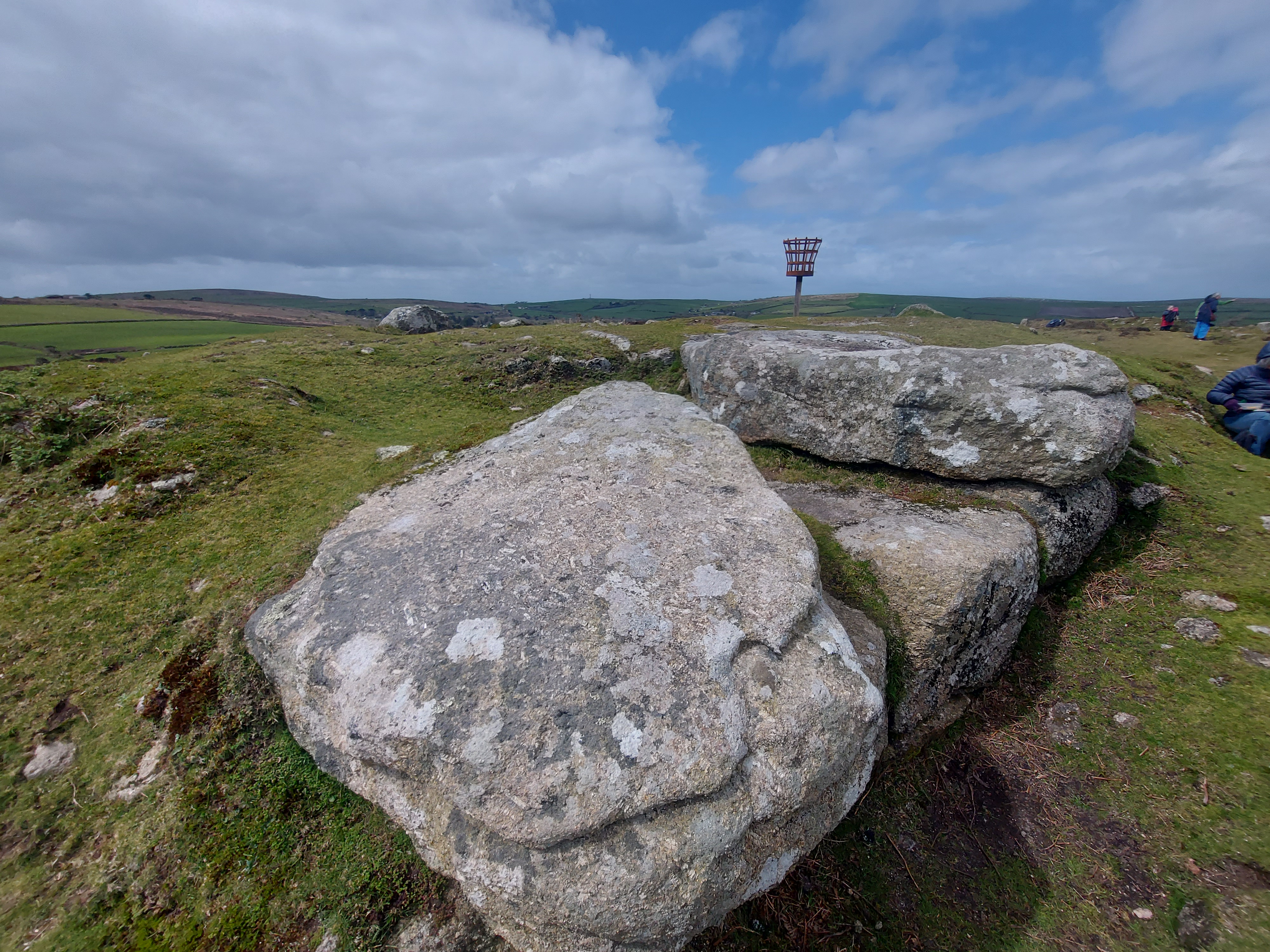
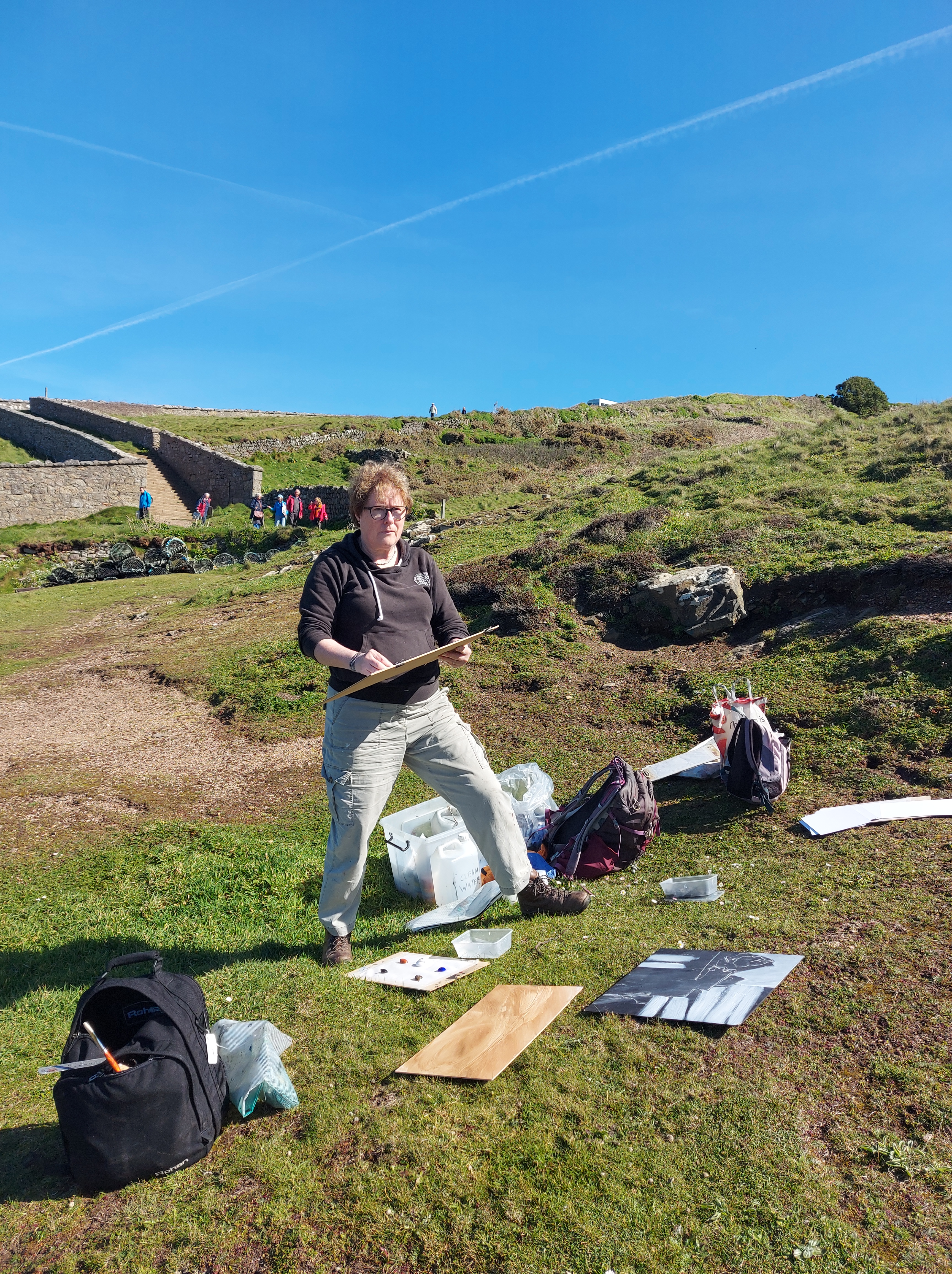
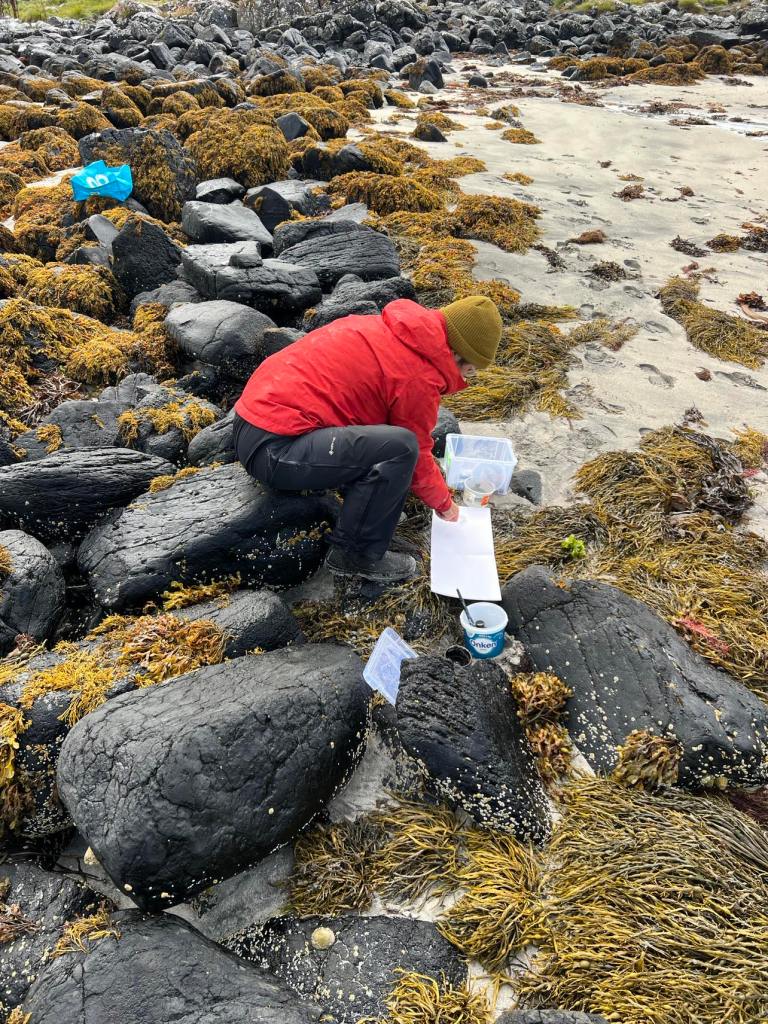
In April I was fortunate enough to be able to return to Newlyn School of Art and be a student on Anita Reynold’s Abstract Landscape course for a second time in person. It was able to revisit Porth Ledden and Priest’s Cove at Cape Cornwall, and this time visit Sancreed Church and Beacon.
Anita’s approach has the right balance of structure and freedom for me, but mostly this was an exercise in connection, and re-establishing a learner mindset. The encouragement to curiosity and experiment in a different environment helps me to return home with fresh eyes, ready for new processes and projects.
Packing materials for a road/ferry trip is always full of dilemmas. Limit options before leaving and regret it later or carry a lot of choice and only use a fraction of what you carry. I always go for the latter.
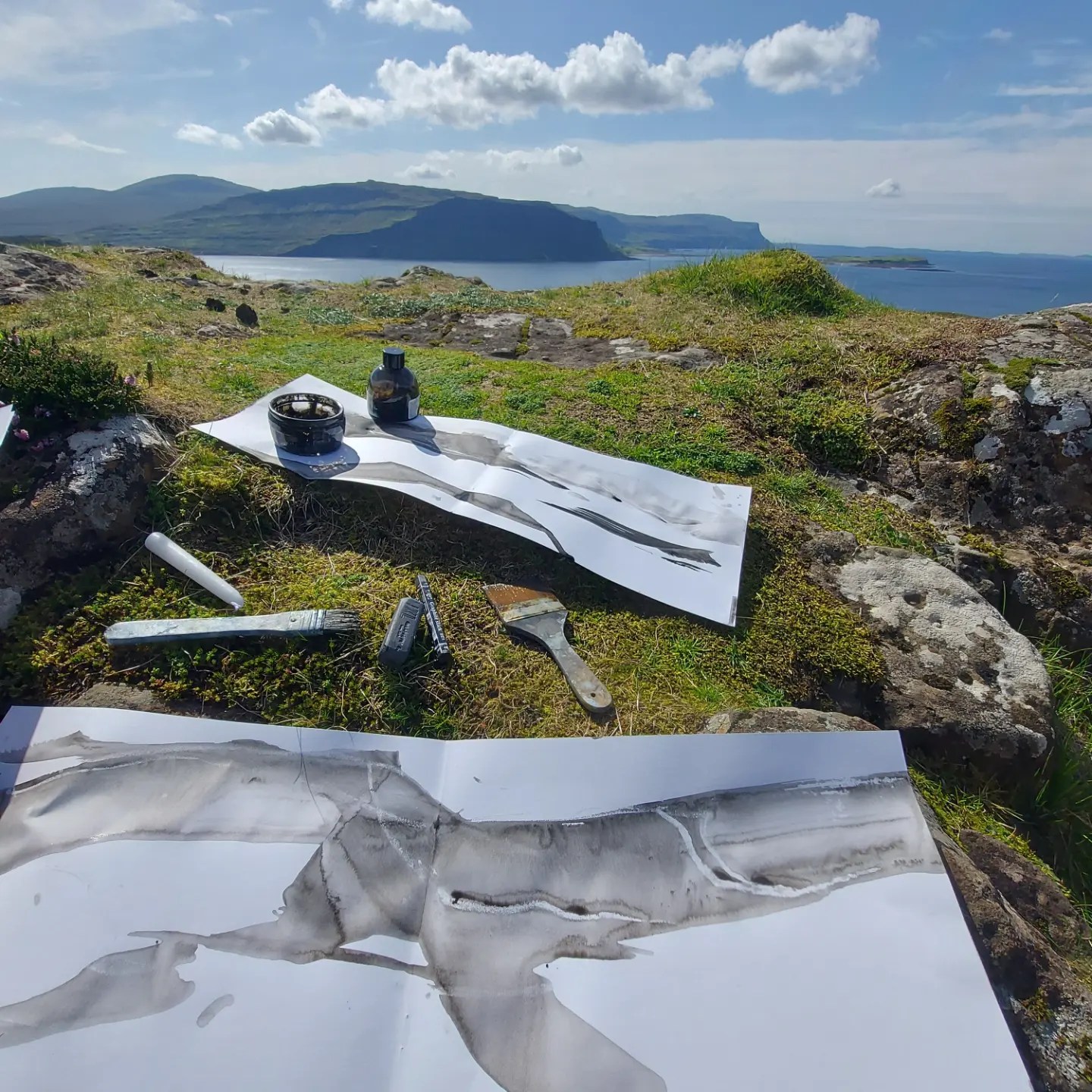
Surprise choice of paper when I opened the box, I thought I had brought a concertina sketchbook, couldn’t understand the decision to take a landscape sketchbook until I took the staples out – ah yes!
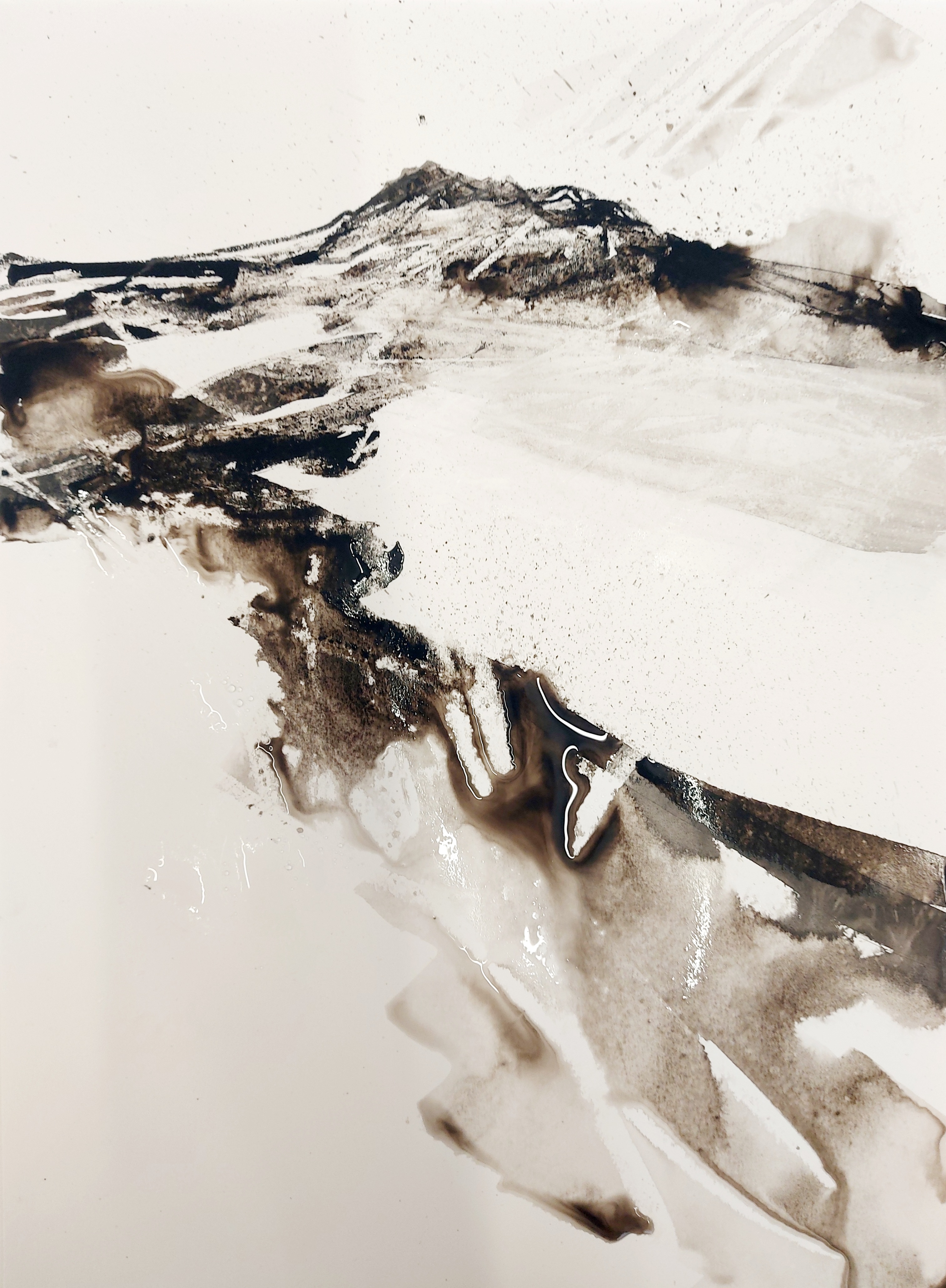
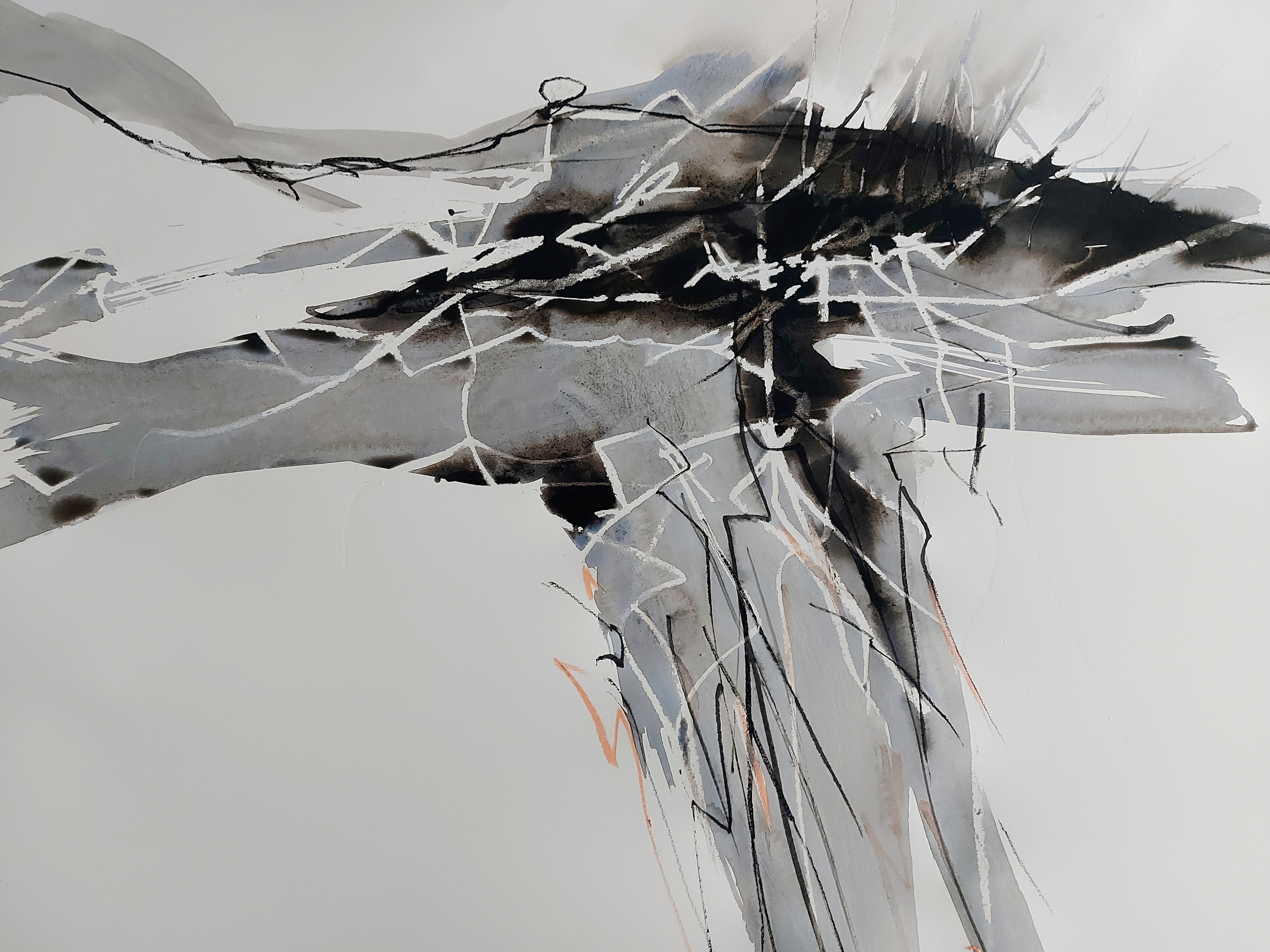
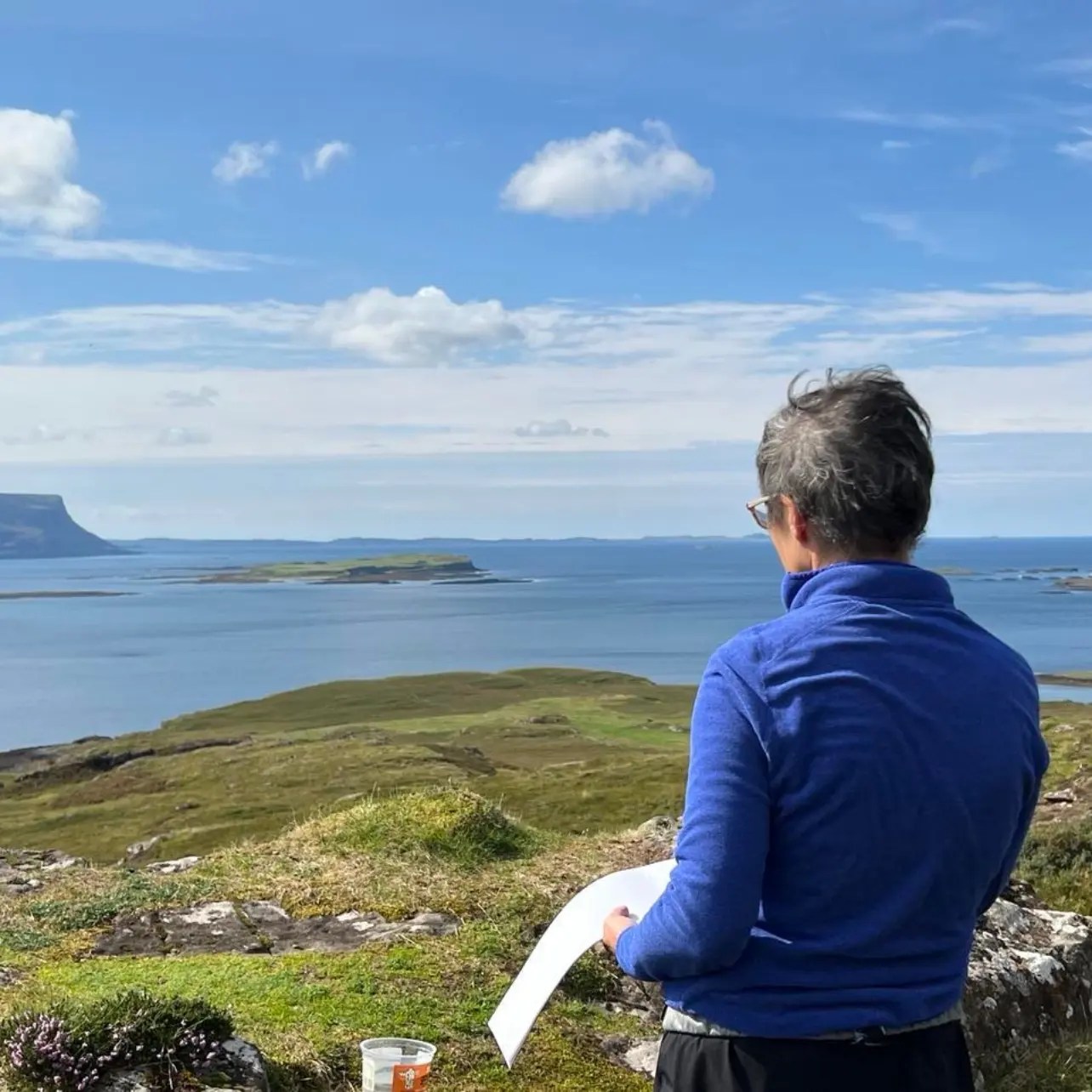
The weather at Calgary Bay dictated a quick dash between fierce showers and graphite, charcoal and ink was all I used. Later in brilliant sunshine overlooking Loch na Keal I reduced this to ink and candle wax and one large flat brush.
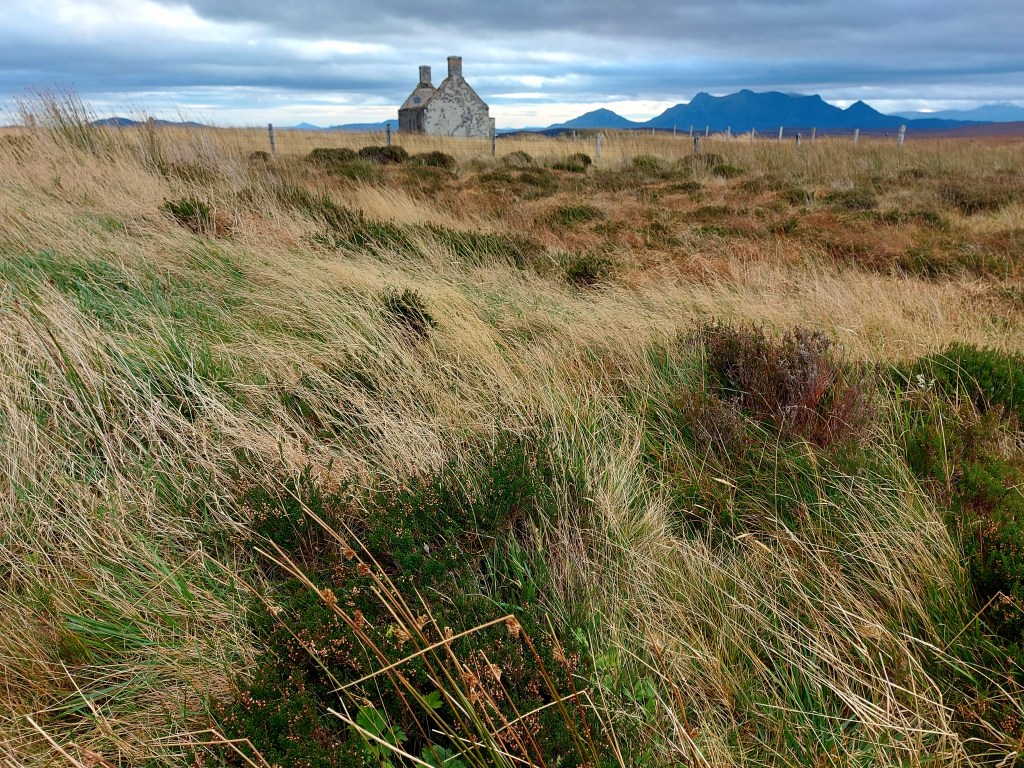
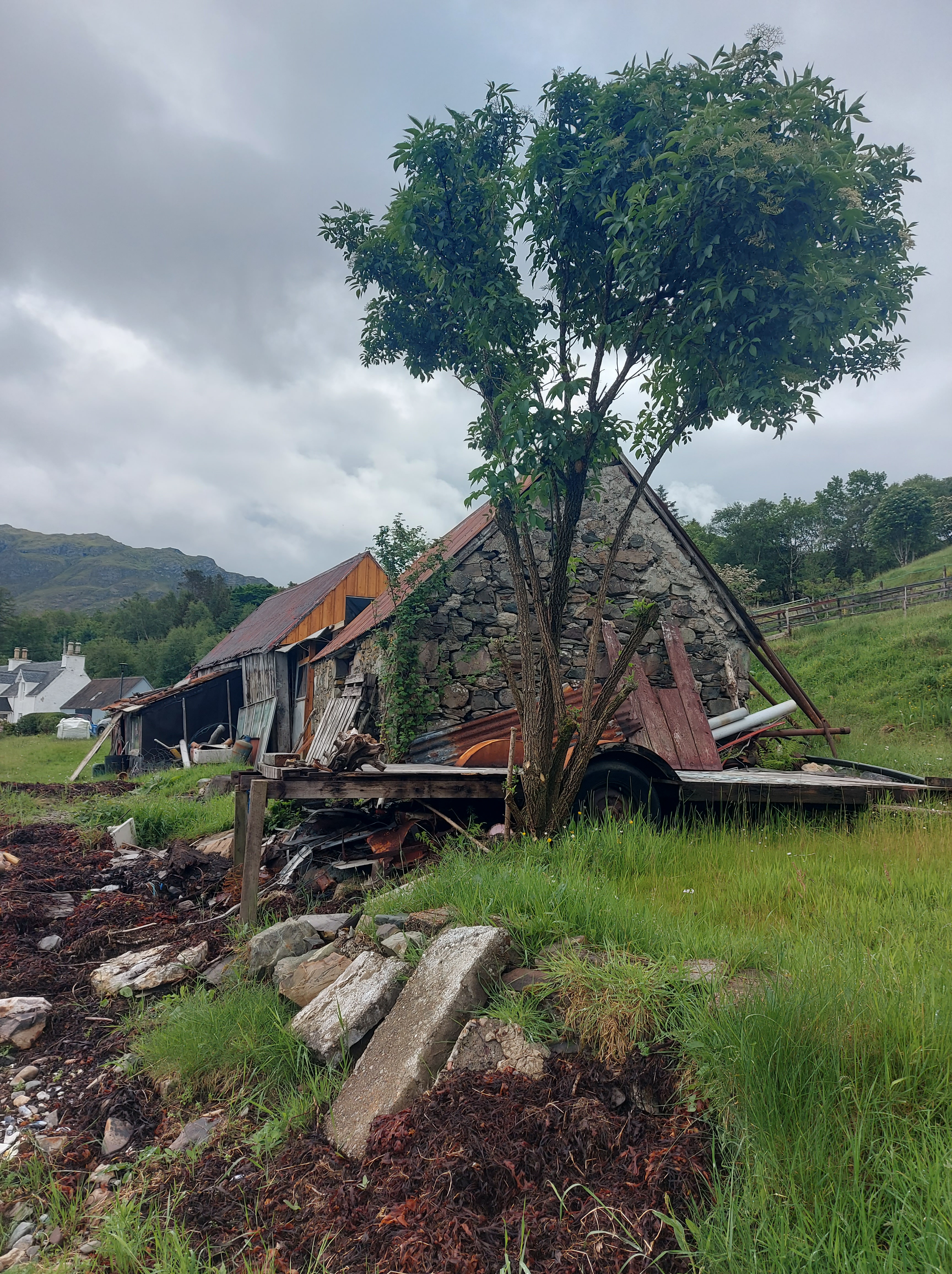
Until recently I have rarely included man made elements in my paintings. In Orkney there are poignant reminders of abandoned crofts, gable ends and dry stane dykes. In Sutherland, where my ancestors came from – shielings and blackhouse walls, field boundaries, mounds and cairns – moving evidence of hundreds of generations of labour in the Straths they were cleared from.
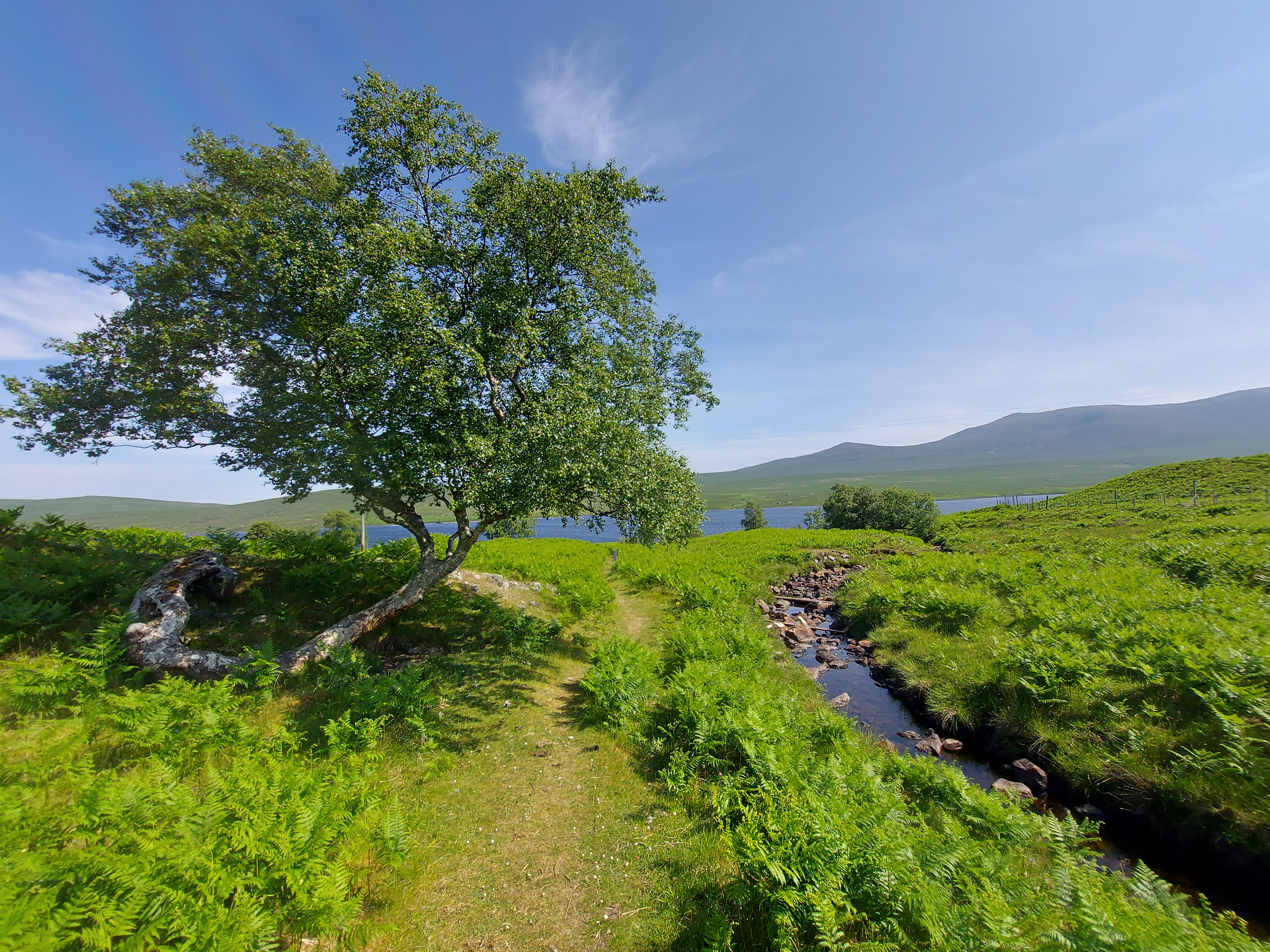
In Srathnaver, Sutherland, descendants of the birch trees that grew around the homes twist and regrow from amongst ancient root systems, the paths around the toonships and stepping stones across the burns remain as they were.
It is not hard to imagine the lives that might have been lived there and in abandoned Orkney crofts.













































 Lesley Mackay Art